Is Solar Right for Your Virginia Business?
Solar energy has become a viable option for businesses in Virginia. Explore solar incentives like...

Small businesses, nonprofits, farms, and schools — earn REAP grants, claim the federal ITC, and turn your roof into decades of operating-cost savings.
Small businesses in Virginia are some of the best candidates for solar. Commercial customers often pay high electric bills, and can claim the best solar incentives. Solar offers a secure ROI, cuts your long-term operating costs, and highlights your business as environmentally responsible.
We work with businesses across Virginia, in many different industries — each with its own goals, energy needs, and mix of incentives.
Retail, light industrial, warehouses, restaurants, professional offices. The 30% federal ITC, MACRS depreciation, and SREC sales typically deliver payback in 4–7 years.
USDA REAP grants can cover up to 50% of project cost on eligible rural and agricultural sites. It's a competitive, paperwork-intensive program, but for the right farm project the savings can be substantial.
Direct Pay (introduced in 2022) lets nonprofits claim the federal ITC as a cash refund. Churches, private schools, and 501(c)(3)s can now go solar with the same economics businesses get.
Public schools, libraries, and municipal buildings benefit from Direct Pay and often pair solar with battery storage for resilience. We design with the long warranty horizons school budgets need.
For commercial customers, federal and state programs combine to recover the majority of your project cost — often in the first year.
The federal Investment Tax Credit (Section 48E) offers businesses a 30% credit on the cost of solar projects, and remains available through at least 2027 — unlike the residential credit, which ended in January 2026. In addition, projects that source steel & manufactured components made in the United States, can get a bonus tax credit of 10%. For sites located in brownfield or near retired coal mines, you may be eligible for an additional 10%.
MACRS Depreciation allows businesses to claim the depreciation of a solar system over 5 years, which can quickly reduce your company's tax liability, and speed up the payback of a solar system.
SRECs (Solar Renewable Energy Credits) are now available for sale in Virginia. These are essentially carbon-credits, which can be sold to other entities, so they can offset carbon usage. These credits are earned for every 1,000kWh of energy your solar system produces, and have a variable market value. On average, these can be worth an additional 40%-80% of your electric savings. For businesses with a low electric rate, the sale of SRECs can make a huge impact on their ROI.
The USDA Rural Energy for America Program (REAP) offers competitive grants toward solar for eligible rural and agricultural businesses. It's a paperwork-intensive program scored on project affordability, company size, and other factors — best suited to farms and agricultural sites.




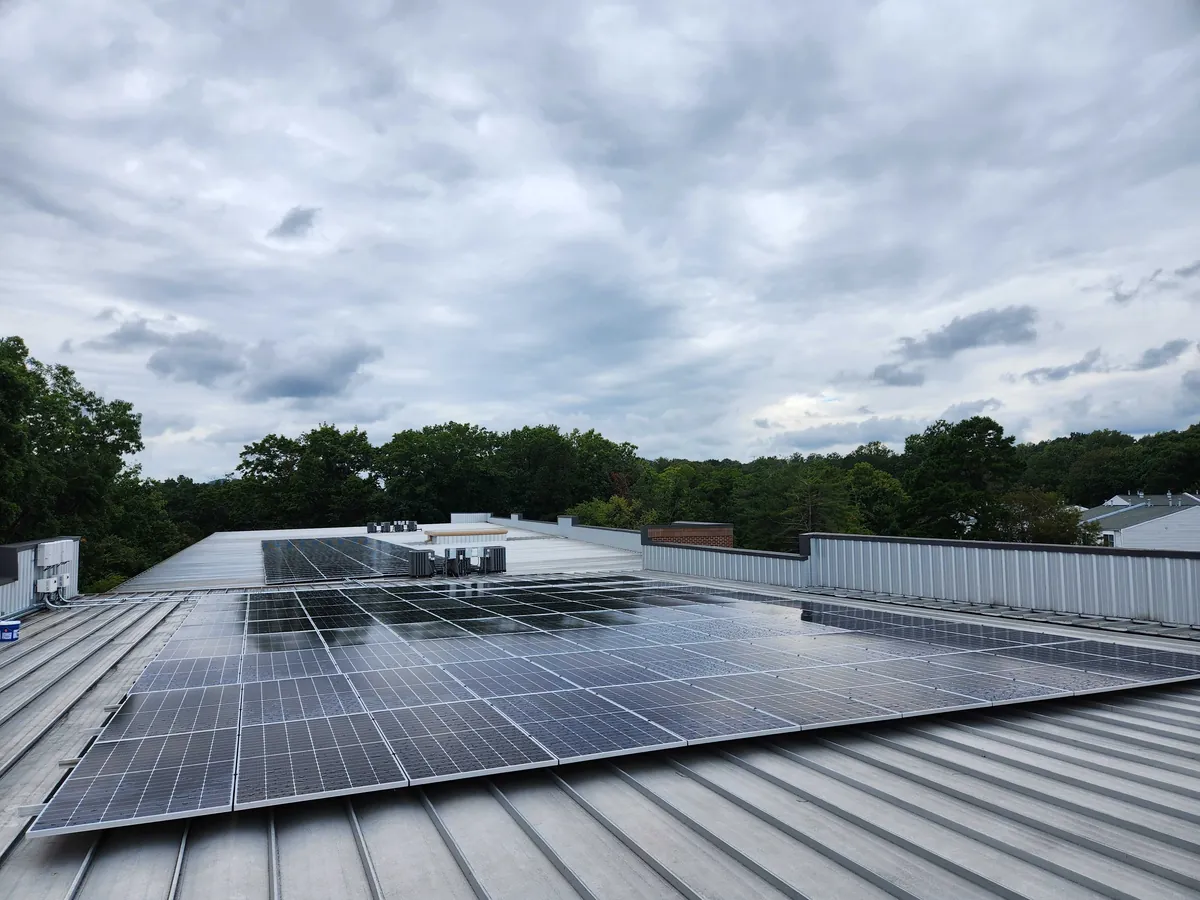
A few of our recent commercial installs across Virginia.
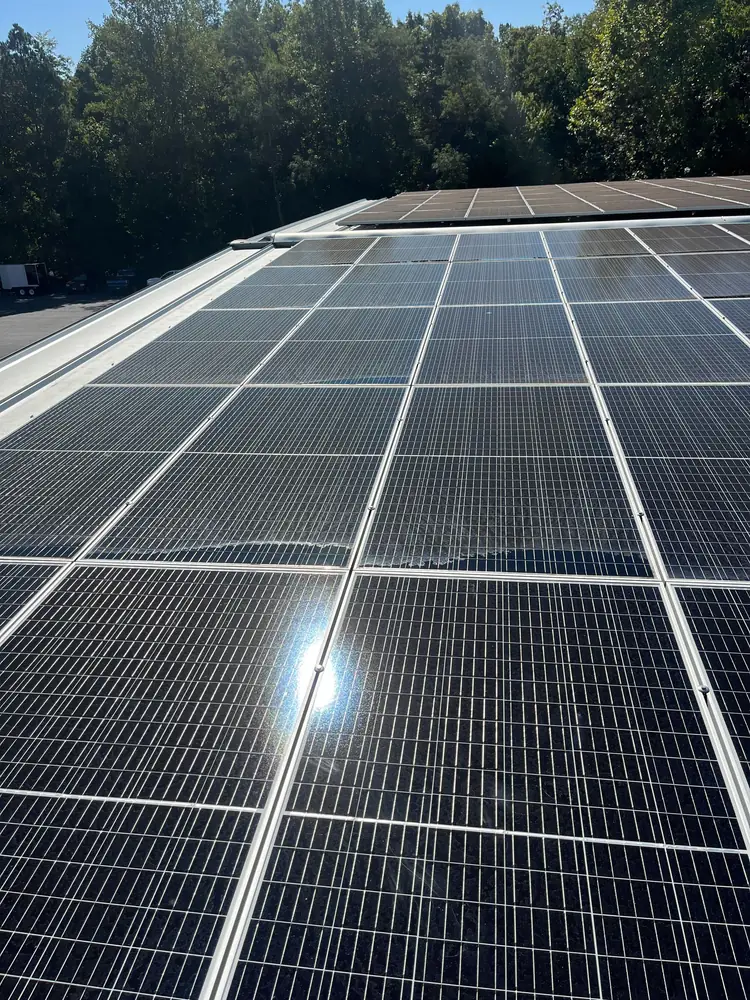
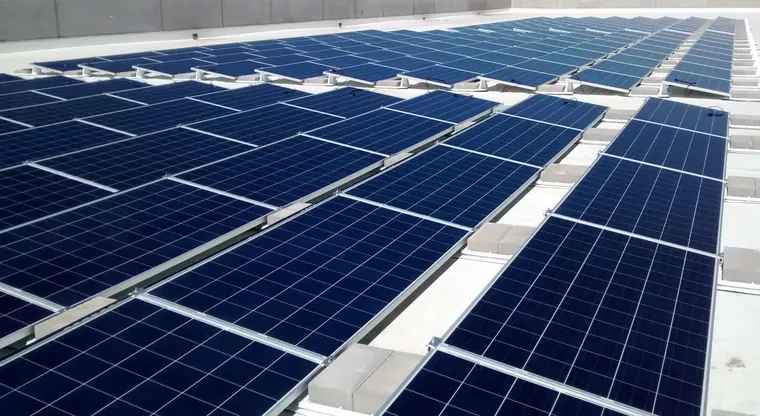
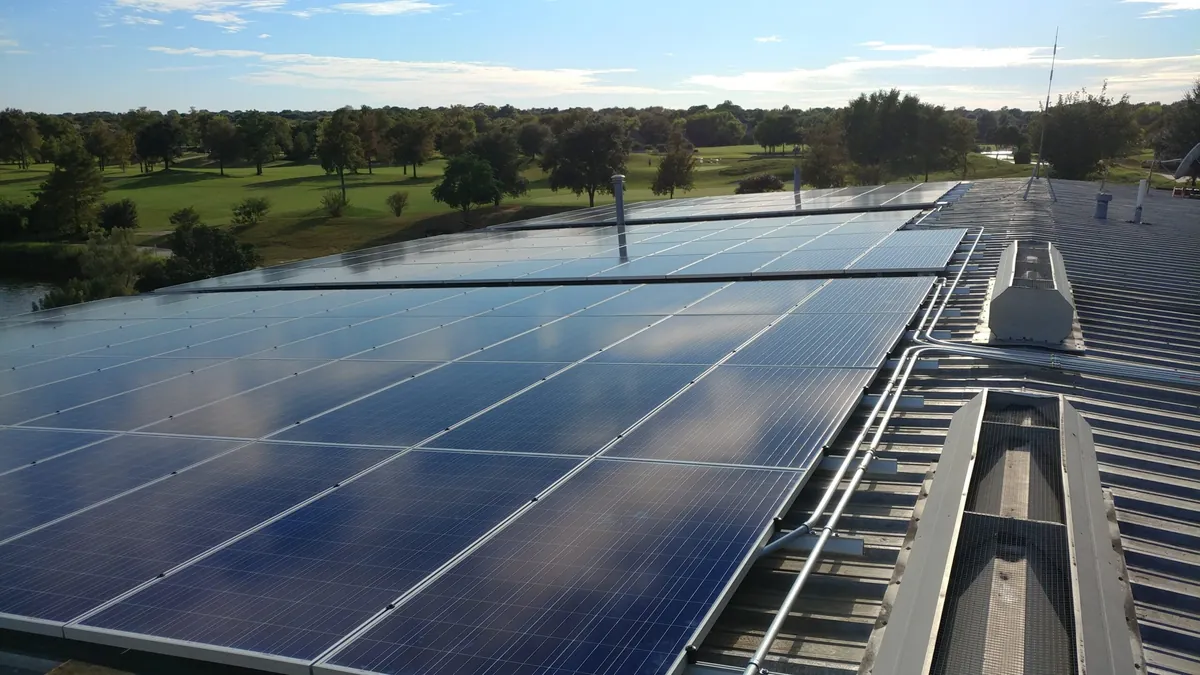
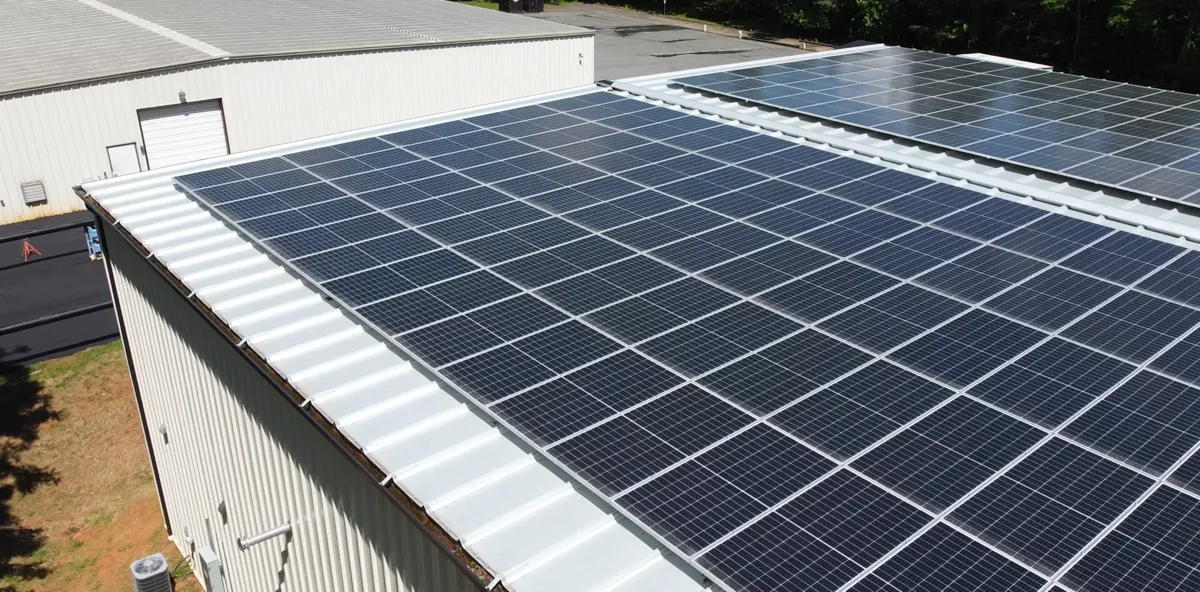
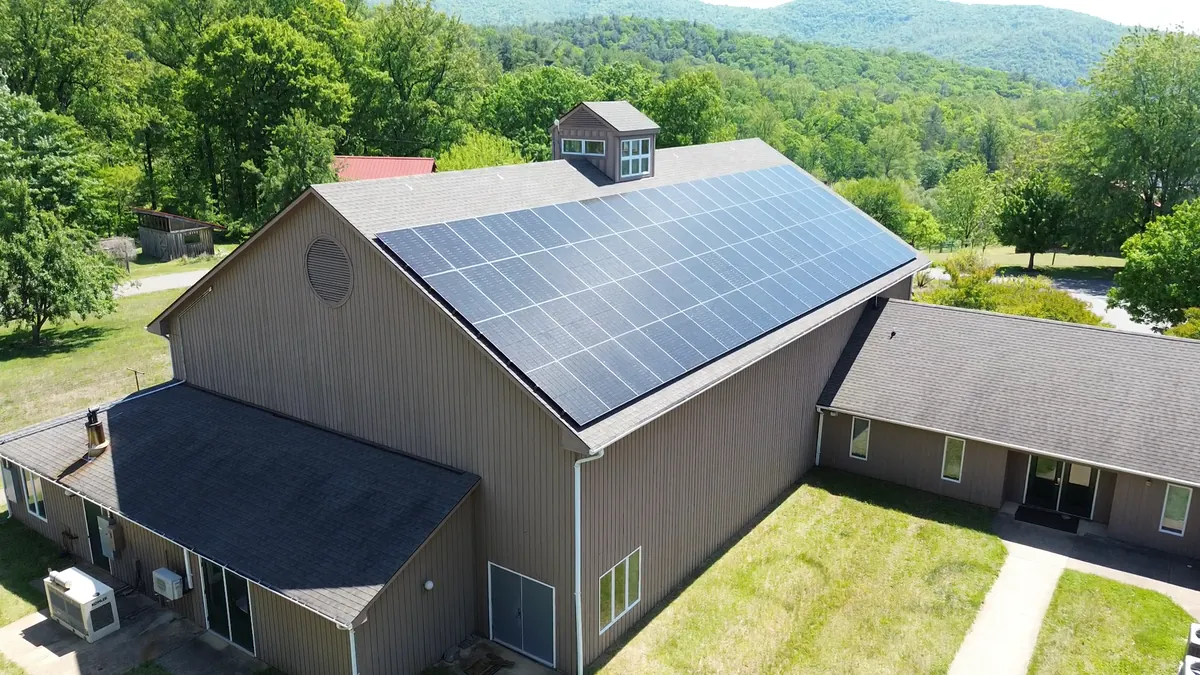
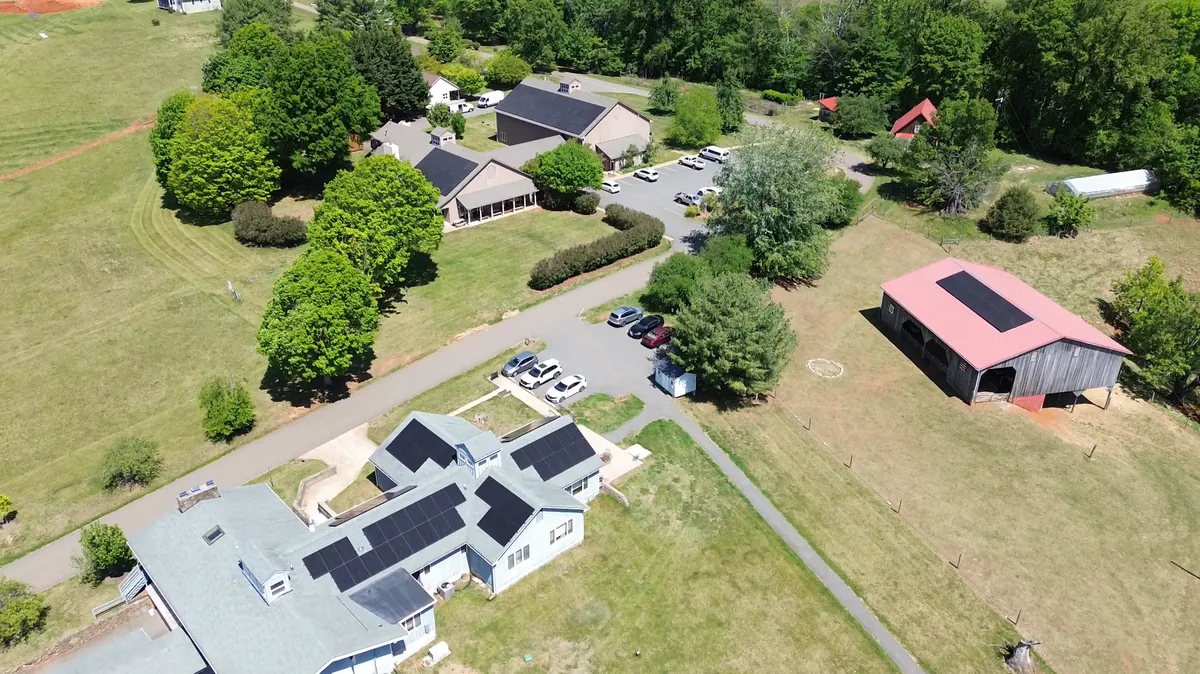
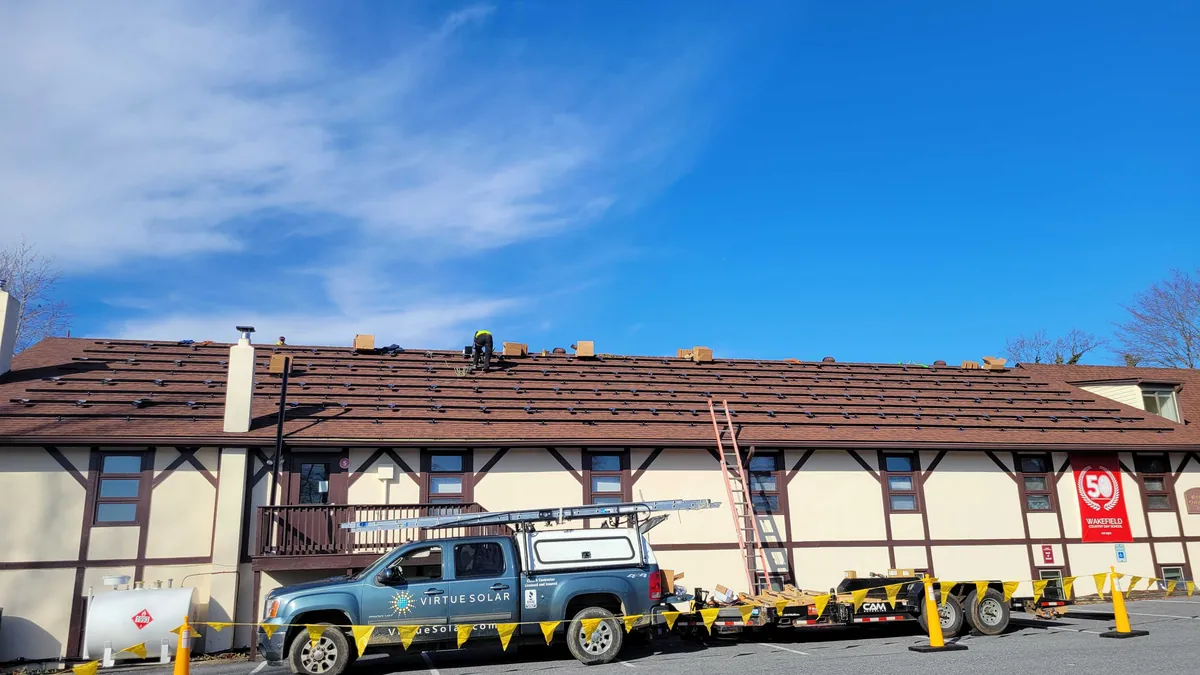
We'll create a custom model of your buildings, and show you how solar looks, what it will cost, and what the incentives are. Your proposal will include:
Solar energy has become a viable option for businesses in Virginia. Explore solar incentives like...

Nonprofits can now claim solar tax credits, through the Direct Pay provision. Eligible...
Net Metering changes are coming to Virginia. Revised net-metering rules may make solar savings...
Yes. Commercial solar systems qualify for the federal Investment Tax Credit (ITC), and businesses can also claim accelerated depreciation (MACRS) on the system cost — which together typically recover 50-60% of the project cost in the first year. The residential 25D credit ended in January 2026, but the commercial ITC (Section 48E) remains available at 30% through at least 2027.
For most Virginia businesses, commercial solar pays back in 4-7 years. ROI is faster than residential because of MACRS depreciation, larger systems benefit from economies of scale, and commercial electricity rates are climbing as data center demand pressures the grid. After payback, the system continues producing power for 25+ years.
Sizing depends on three factors: your 12-month kWh usage, your available roof or ground space, and your utility's interconnection limits. We start with a site visit, pull your usage data, and design a system that offsets the right portion of your bill — usually 80-100% for a typical commercial building. Larger systems on farms or warehouses can offset 100% and feed excess back through net metering.
Yes — Virginia's net metering rules apply to commercial customers under Dominion, Appalachian Power (APCo), and most electric cooperatives. The 2026 SCC ruling on Dominion's NEM 2.0 preserved 1:1 net metering for commercial systems up to 1 MW, so your business gets full retail credit for excess generation. See our NEM 2.0 ruling explainer for details.
We install for a wide range of Virginia businesses: warehouses, manufacturing facilities, breweries and wineries, farms (including PPA and agrivoltaic projects), nonprofits, churches, schools, and small office buildings. Both rooftop and ground-mount systems. For eligible agricultural and rural projects, USDA REAP grants may also be available.