Go Solar with $0 Upfront — TPO Financing in Virginia
Lock in a lower energy rate, skip the upfront cost, and let someone else handle the maintenance.
What Is TPO Solar Financing?
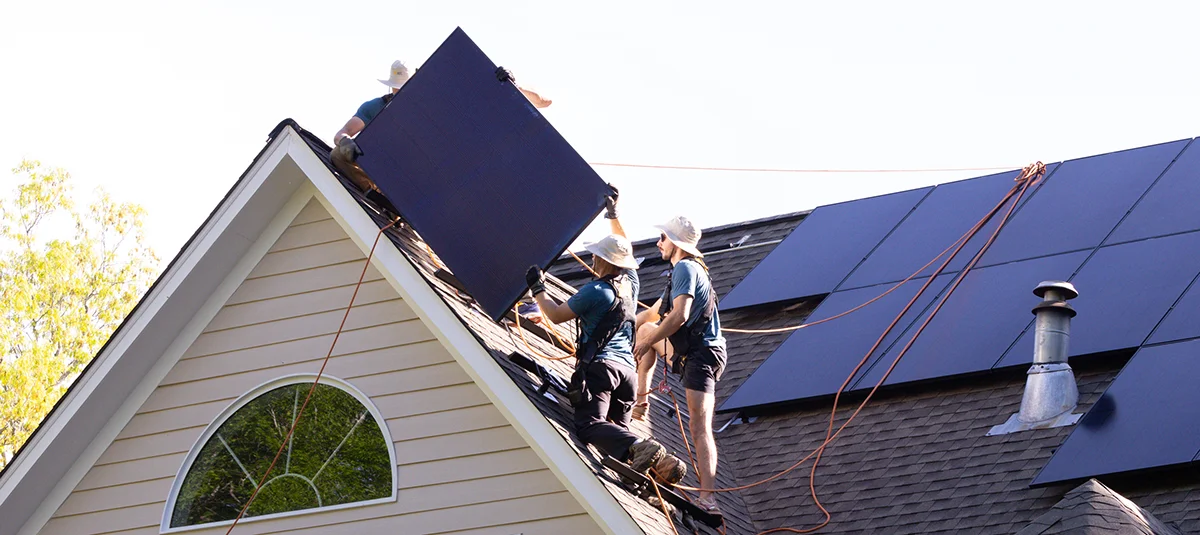
TPO — Third-Party Ownership — is the simplest way to go solar without a large upfront investment. With TPO, a solar energy system is installed on your roof at no cost to you. You don't buy the equipment. You don't pay for installation. Instead, you pay a flat monthly rate for the solar energy your system produces — and that rate is typically lower than what you're paying your utility today.
Nothing about the way you use energy changes. Your home stays connected to the grid, your lights turn on the same way, and your reliability isn't affected. The only difference? Some of your electricity now comes from panels on your roof — and you're paying less for it.
Customers served by Dominion Energy, REC, SVEC, and APCo are generally the best candidates for TPO — their higher per-kWh rates mean the savings gap between your current bill and your locked-in TPO rate is wider from day one.
Our goal is simple: make sure you save money month after month, all while using clean solar energy.
What Actually Matters in a TPO Agreement
When homeowners start comparing solar proposals, it's natural to want an apples-to-apples breakdown — equipment brands, panel specs, inverter models. But with TPO, none of that changes what you actually pay. The system size is designed to offset your usage, and the equipment is warrantied and maintained by the TPO provider for 25 years regardless. What matters — the only number that matters — is the $/kWh you're being charged for the energy that system produces, and whether it beats what your utility is charging you right now.
How We Set Your Rate
With TPO, we get to set your starting rate per kilowatt-hour, and we set it lower than what your utility charges today. If you're currently paying $0.15/kWh to Dominion or $0.18/kWh to your co-op, we structure your agreement at a rate underneath that — typically somewhere between $0.11 and $0.145/kWh. Your system comes with a production guarantee, so you're only paying for energy that's actually delivered. And your rate is locked in with an annual escalator between 0% and 2.99% that we choose at signing.
Why the Escalator Still Saves You Money
Virginia utility rates have climbed roughly 30% since 2021, with more approved increases on the way. That's 4–6% per year, and homeowners have zero control over it. A TPO escalator of 2.99% — the highest it can go — still trails that pace. At 0%, your rate never moves at all. Either way, we structure the starting $/kWh and the escalator so there's a savings margin in year one that holds or widens every year for 25 years.
Benefits of TPO Solar
- $0 upfront cost — no loan, no large investment
- Fixed monthly payments, typically lower than your current electric bill
- Lock in your energy rate for up to 25 years
- All maintenance, monitoring, and repairs are included
- Guaranteed solar production — if the system underperforms, you're covered
- Buyout option available after 5 years
- Lease is transferable if you sell your home
How Does TPO Solar Work with the Grid?
A TPO solar system works alongside your existing utility connection — not instead of it. During the day, your solar panels generate electricity that powers your home directly. Any excess energy your system produces is sent back to the grid, and thanks to Virginia's 1-to-1 net metering policy, you receive a full retail-rate credit on your electric bill for every kilowatt-hour you send back.
What It Looks Like on Your Bills
At night or on cloudy days, your home draws electricity from the grid like it always has. The result is a lower electric bill — often significantly lower — without any change to how you use energy in your home.
You'll still have one utility bill and one TPO payment, but together, they're designed to cost less than what you're paying for electricity today.
Why Virginia Homeowners Are Choosing TPO
Save Money from Day One
Utility rate increases are already approved for 2026 and 2027, and the long-term trend isn't slowing down. TPO lets you lock in a lower rate now — and the gap between what you pay and what the utility charges only grows over time.
Your savings start in month one and compound every year as utility rates keep climbing.
Maintenance and Repairs Are Covered
With TPO, the third-party owner is responsible for keeping the system running — not you. If something goes wrong, they pay for the service call. That's not a small thing. A single solar service visit can easily run $500–$1,500. Over a 25-year system life, that coverage adds up to real peace of mind.
Your system also comes with a production guarantee — if it's not producing what it should, the TPO provider makes it right.
What Happens When My Agreement Ends — Or If I Move?
At the end of your TPO agreement, you have three options: renew at a reduced rate, purchase the system at fair market value, or have it removed at no cost.
If you sell your home before the agreement ends, you can transfer the lease to the new buyer or buy out the system and sell the home with the panels included. Lease transfers are subject to credit qualification by the TPO provider, so a buyout may be the better path depending on the buyer. Either way, you have options — and the buyout is available after 5 years.
Solar panels can also increase your home's resale value, so whether you stay or move, you're in a strong position.
What our customers say
“I looked at several solar providers but chose Virtue because they were low pressure, responsive, honest and local.”
“I recommend Virtue, without reservation, as the best of all the local solar companies I've dealt with, by far.”
“Peter and Matt were very helpful in getting my system designed for my needs. I can't stress enough how happy I am that a local company did such a superb job.”
FAQ
This seems too good to be true. Is it?
We hear this one a lot — and it's a fair question. Here's how it works: TPO companies make money in several ways. They claim commercial tax credits (which can be 30–50% of the system cost), depreciate the equipment, earn Solar Renewable Energy Certificates (SRECs), and receive long-term payments through your lease agreement. All of those revenue streams together make the business model work — while still offering homeowners a monthly rate that's lower than their current electric bill. Both sides benefit.
Will I still have an electric bill?
Yes. Homeowners with TPO solar will still receive an electric bill from their utility. The amount depends on how large a system is installed and how much of your energy usage it's designed to offset. Every utility charges a minimum base charge — typically between $7–$15 per month, depending on your provider. The solar system reduces the energy portion of your bill, and in many cases it can reduce it dramatically. But the base charge and any usage beyond what your system produces will still appear on your utility statement.
Do I own the solar panels?
No — with TPO, the third-party provider owns the system. That's what allows them to claim the commercial tax credits and handle all maintenance at no cost to you. You benefit from the lower energy rate without the responsibilities of ownership. If you'd prefer to own your system outright, we offer cash purchase options as well.
What if something breaks?
The TPO provider is responsible for all maintenance, monitoring, and repairs for the duration of your agreement. If a panel, inverter, or any other component needs service, they cover the cost — including the service call. Your system also comes with a production guarantee, so if it's not generating the energy it should, you're protected.
Can I buy the system later?
Yes. After 5 years, you have the option to buy out your system at fair market value. Many homeowners choose to do this once they've seen the savings and want to take full ownership.
What happens if I sell my home?
You have two options: you can transfer the lease to the new homeowner, or you can buy out the system and sell the home with the panels included. Lease transfers are subject to a credit qualification by the TPO provider, so not every buyer will be eligible — but buyouts are available after 5 years and give you full flexibility.
How is this different from a solar loan?
With a solar loan, you borrow money to purchase a system — which means you own it, but you're also responsible for loan payments (often at 7–8%+ interest), maintenance, and any repairs. With TPO, there's no loan, no debt, and no maintenance responsibility. You simply pay a flat monthly rate for the energy your system produces.
Does Virtue Solar install and maintain the system?
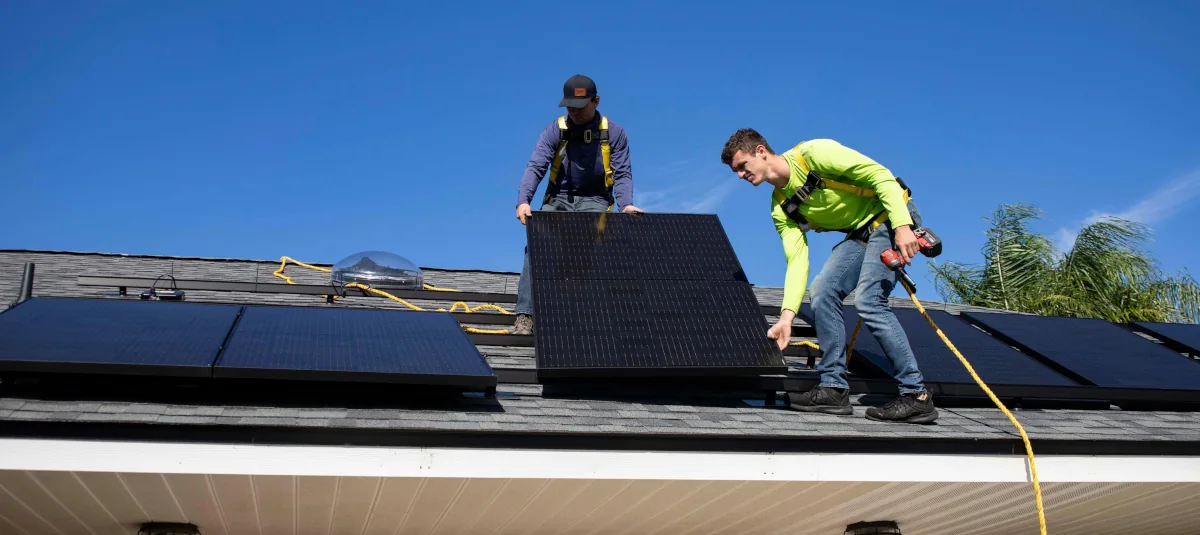
Yes. Virtue Solar handles the installation, design, and permitting. The TPO provider owns the equipment and covers ongoing maintenance, but we're your local point of contact and the team that puts the system on your roof. If something ever needs attention down the road, we'll be here to service it.