
Federal Solar Tax Credits: The Complete Guide

On this page
- What Is the Federal Solar Tax Credit?
- History of the ITC
- What the Commercial Tax Credit?
- Going Solar in 2026 and Beyond
- Benefits of the Commercial ITC (Still Active)
- How Does the Solar Tax Credit Work?
- How to Claim the Federal Solar Tax Credit on Residential Systems
- Are You Eligible for the Solar Tax Credit?
2026 Update: The “One Big Beautiful Bill,” signed into law on July 4, 2025, eliminated the 30% residential solar tax credit (Section 25D) for systems purchased after December 31, 2025. The commercial tax credit (Section 48E) remains available through at least 2027. If you installed solar before January 1, 2026, the information below still applies to your tax filing. For homeowners going solar in 2026 and beyond, read our breakdown of the new landscape here, or see our full guide to Virginia solar incentives.
Thinking about switching to solar energy? If you installed a solar system before January 1, 2026, you may still be eligible to claim the 30% federal tax credit. Commercial solar systems and third-party-owned residential systems (leases and PPAs) can still qualify for the 30% commercial tax credit through at least 2027.
If you’re considering installing solar panels on your home or business, you’ll want to learn about the federal Investment Tax Credit (ITC). This incentive greatly reduces the overall cost of solar installations, thereby shortening your payback period and allowing you to reap the benefits of your investment more quickly.
Virtue Solar is honored to be your local expert in Charlottesville, Virginia, but if you live in Richmond, VA or anywhere else for that matter, this will still apply to you!
We’ve crafted this comprehensive guide to provide you with clear, accurate information about the solar tax credit, including qualification criteria and steps to claim it, so you can maximize your savings on your solar panel installation.
Ok, disclaimer time– this article is for informational purposes only! We are not tax professionals, and no part of this should be considered legal or tax advice. Be sure to consult with a tax professional to make sure you can claim the credit for yourself.
For the most up-to-date information on residential energy credits, visit the IRS website.
What Is the Federal Solar Tax Credit?
The ITC was a federal incentive for residential and commercial solar panel systems. For residential systems (Section 25D), the 30% credit applied to systems purchased before January 1, 2026. The commercial ITC (Section 48E) remains active at 30% through at least 2027, covering business-owned solar, third-party-owned residential systems (leases and PPAs), and nonprofit projects using direct pay.
History of the ITC
Introduced in 2005, the federal solar tax credit saw several modifications over the years. The Inflation Reduction Act of 2022 increased it to 30% and extended availability until 2032. However, the “One Big Beautiful Bill” (signed July 4, 2025) eliminated the residential credit nearly a decade ahead of schedule, effective January 1, 2026. The commercial credit remains available but faces its own timeline constraints and new FEOC (Foreign Entity of Concern) compliance requirements.
What the Commercial Tax Credit?
The tax credit for commercial solar systems falls under a different tax code. While the base is still 30%, commercial systems can actually get bonus credits that can increase the credit to up to 50%. Check out our page on commercial solar incentives for more information!
Going Solar in 2026 and Beyond
Even without the residential tax credit, solar remains a strong investment in Virginia. Electricity rates have risen roughly 40% since 2020, with additional increases approved for 2026–2027. Solar locks in your energy costs for 25+ years, protecting you from continued rate hikes. Third-party ownership options like solar leases and PPAs allow homeowners to benefit from the commercial tax credit—still available through at least 2027—because the leasing company claims the credit and passes savings on to you in the form of lower monthly payments.
Benefits of the Commercial ITC (Still Active)
-
30% Credit for Businesses: Commercial solar systems and third-party-owned residential systems remain eligible through at least 2027.
-
No Cap or Income Limits: The commercial credit has no cap, and bonus credits can increase it to up to 50%.
-
Includes Battery Installation: Whole-home battery systems purchased through a lease or PPA are also eligible.
How Does the Solar Tax Credit Work?
It’s essential to understand that the ITC is a tax credit, not a deduction or refund. It directly reduced your tax liability.
For example, if you install a $20,000 solar system, you earn a credit of $6,000 (30% of $20,000) for that tax year. Should you owe $5,000 in taxes, the credit would cover your debt. Any remainder, in this case, $1,000, can roll over into the subsequent years.
 Rooftop solar systems are eligible for the 30% solar tax credit, or ITC
How to Claim the Federal Solar Tax Credit on Residential Systems
Note: This section applies to homeowners who purchased and installed solar before January 1, 2026.
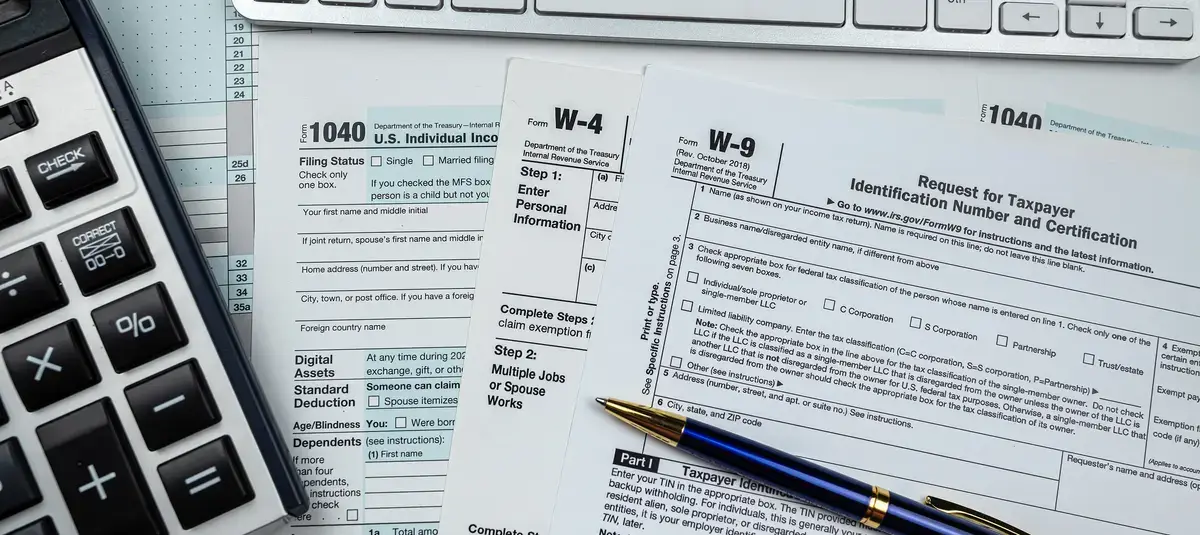
Claiming the ITC is typically very easy– just one additional form when filing your tax return.
Follow these steps:
-
Retain all solar installation receipts.
-
Complete IRS Form 5695 (Residential Energy Credits).
-
Include the tax credit amount on line 5 of your IRS Form 1040.
Are You Eligible for the Solar Tax Credit?
Most rooftop solar installations meet the simple eligibility criteria, but it’s good to confirm with your CPA, especially if your project is more complex:
-
Date of Installation: The system must be operational by year-end to claim the tax credit. This is the most common question we get, and although we are not tax professionals, most folks interpret this as requiring your system to be “turned on” in order to meet the requirement.
-
Location: Must be installed at your primary or secondary home within the United States.
-
Ownership: You must own your solar system; lease agreements and power purchase agreements do not qualify, though financed systems do.
-
Equipment: Must be new—repurposed equipment does not qualify.
-
Tax Liability: You need to be a U.S. taxpayer with income tax liability to benefit from the credit.
Are you interested in receiving a custom solar proposal for your home?
Get a free solar quote
Related Posts

How Shade Affects Microinverters & String Inverters
Learn the pros and cons of string inverters & microinverters, and how they perform in shade, so you can get the best for your solar system.
Plug-in Solar (Balcony Solar) Is coming to Virginia
Virginia's HB 395 legalizes plug-in solar starting January 1, 2027. Here's what renters and homeowners need to know before buying a balcony solar system.

Should I Install a Smart Electric Panel, Like the SPAN Panel?
is a smart panel like the SPAN panel worth it? Let’s take a look at what the SPAN panel offers and whether it’s a good fit for your solar home