
What the “Big Beautiful Bill” Means for Solar in Virginia

On this page
2026 Update: The 30% residential tax credit (Section 25D) ended for systems installed after December 31, 2025. The commercial credit (Section 48E) is still in place, which is what makes $0-down TPO financing work for homeowners. For what still applies to Virginia homeowners this year, see our guide to current Virginia solar incentives.
On July 4th, 2025, President Trump signed into law one of the most significant pieces of energy legislation in recent memory—the “One Big Beautiful Bill.” It’s definitely not what I would call it, but the impacts on solar are huge—especially here in Virginia.
If you’re a homeowner or business in Virginia considering solar, this bill may change your timeline—and your options.
Disclaimer– this article is for informational purposes only! We are not tax professionals, and no part of this should be considered legal or tax advice. Be sure to consult with a tax professional to make sure any credits apply to your particular situation.
Residential Solar: Your Last Chance for the 30% Tax Credit
The most urgent change? The 30% federal solar tax credit for homeowners is ending.
Under the new law, residential systems that are paid for after December 31st, 2025 will not be eligible for the federal tax credit (Section 25D). This is a major shift—the credit was originally scheduled to phase out gradually through 2034, but it’s now being cut nearly a decade ahead of schedule.
What does this mean for you?
-
If you’re buying solar outright (not leasing), you need to act fast. Only payments made before December 31, 2025 will count toward the credit. That includes residential solar panels and batteries, if you’re purchasing both.
-
If you’re planning to buy a home battery, keep in mind: batteries will not be eligible for the credit unless they are part of a lease after 2025.
Residential Leases Are Still Eligible—for Now
Here’s the silver lining: Virginia now allows leasing of residential solar systems. These fall under the commercial tax credit (48E), because the leasing company is claiming the credits, and that 30% credit will remain active through at least 2027.
That means if you can’t take advantage of the residential tax credit—or prefer to avoid a large upfront cost—leasing may become the best option going forward because the leasing company can monetize that credit instead.
At Virtue Solar, we’re currently offering solar leases to homeowners in Dominion and APCo territory. If you’re in a cooperative utility area, like REC, SVEC, or CVEC, leasing companies may not offer products in your area.
We’ve found leases to be a great fit for customers who want:
-
Lower electric bills starting day one
-
No maintenance responsibility
-
Clean energy without draining their savings
While cash systems still offer the highest ROI, leases provide an affordable path for Virginians to lock in long-term savings and energy independence—especially after 2025.
What About SRECs and Direct Pay for Non-profits?
-
SRECs (Solar Renewable Energy Credits) remain available in Virginia and are still a valuable incentive. They’re not affected by the federal tax credit changes
-
Nonprofits and municipalities can still claim the cash value of tax credits via direct pay. This was preserved in the new law, which is great news for churches, schools, and other tax-exempt organizations looking to go solar. Non-profit credits will sunset along with the commercial credit, as discussed below (Dec 31st 2027, or 4 years from project start, for projects started prior to July 2026)
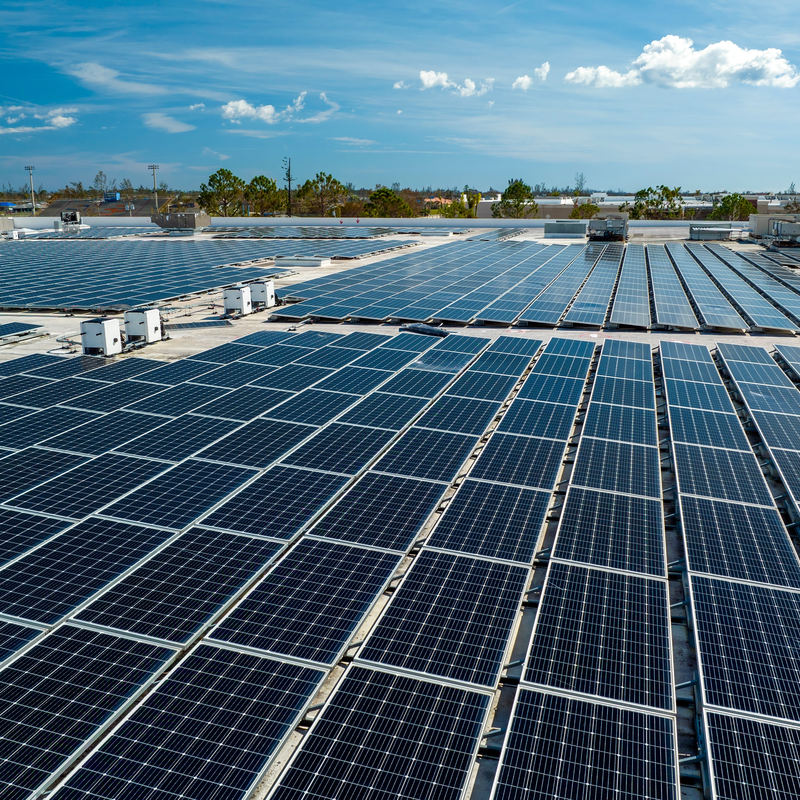 Commercial solar has a longer runway, but faces more hurdles in 2026 onward.
Commercial Projects: Tax credit ending early, and FEOC Hurdles
While the residential tax credit is getting the axe, the 30% Investment Tax Credit (ITC) is still available for commercial solar projects and third-party-owned residential systems under Section 48E through 2027. That includes leases, PPAs, and direct ownership models. But if you’re looking to claim the full credit, timing is everything.
Here’s the new landscape:
-
If your project starts construction before July 4th, 2026 (within 12 months of the bill being signed), you’ll be eligible for the full 30% ITC — as long as it’s placed in service within four years.
-
If construction starts after that 12-month window, your system must be fully operational by the end of 2027 to qualify for the full credit.
-
Commercial projects that starting in 2026 will also be subject to FEOC requirements
The new FEOC rules (short for Foreign Entity of Concern) have added a major layer of complexity to commercial and utility-scale solar in the U.S.—especially projects starting after 2025. These provisions are aimed at reducing reliance on Chinese equipment and influence, but the requirements are still vague, incredibly strict, and carry steep penalties if you get it wrong.
If you’re a commercial developer or business considering solar:
-
The rules take effect for projects starting construction after December 31, 2025
-
They require a detailed analysis of where your equipment came from, who your vendors are, and what kind of contracts you’ve signed
-
If you mess up the sourcing math or fail to spot a prohibited entity in your supply chain, you could lose the entire tax credit—and face penalties up to 20%
Penalties Are Steep
-
20% penalties if your CPA gets it wrong and underpays taxes
-
FEOC violations trigger full repayment of your tax credit—up to 10 years after the system goes live
The safest paths to avoid FEOC restrictions are:
-
Start construction before the end of 2025
-
Avoid using suppliers or financing partners with any questionable ties to China, Russia, Iran, or North Korea
For a detailed breakdown, we recommend reading this excellent summary from Norton Rose Fulbright and this companion guide dedicated to FEOC compliance.
Bottom line: Unless your commercial project is already under construction or fully buttoned-up with clean sourcing, the safest move is to act quickly. The risk of lost incentives and costly compliance errors is simply too high for many developers to ignore.
Supply chains are already straining due to a surge in demand, and we anticipate a difficult path in sourcing commercial materials in 2026–2027, as everyone scrambles to meet FEOC compliance.
For commercial developers, these restrictions will likely increase equipment costs, legal complexity, and project timelines—especially for systems starting after 2025. For small businesses in Virginia that are interested in commercial solar, we strongly encourage moving quickly.
The Long View: Is Solar Still Worth It?
Even with the 25D residential credit ending, solar is still a strong investment in Virginia:
-
Electric rates are still rising— Dominion just enacted a price increase, and hamstringing commercial solar & wind projects makes expensive electricity one of the only certainties we can expect.
-
Equipment prices are still low, despite tariffs & demand pressures.
-
Leases will continue to allow residential solar to flourish, primarily in Dominion & APCo territory.
And the benefits of energy independence, lower bills, and environmental impact haven’t changed.
But if you’re hoping to maximize incentives, 2025 is the year to do it. We are already seeing a major rush to get projects in this year as homeowners scramble to meet the deadline. If you’re even thinking about solar, it’s time to get a solar quote.
Final Thoughts
There’s still a path forward for solar in Virginia. But the rules have changed, and the clock is ticking.
If you want to lock in the full 30% solar tax credit, get battery incentives, and avoid the regulatory headaches on the commercial side, 2025 is the year to act.
At Virtue Solar, a trusted solar installer in Virginia, we’re here to help homeowners and businesses make smart, informed solar decisions. We’ll walk you through your options—cash, lease, battery, or no battery—and help you figure out what makes the most sense. Get a free quote today.
Related Posts
Does Charlottesville, VA have good solar incentives?
See the special solar incentives, tools, and solar potential that makes Charlottesville, VA a great city for solar homes.
Do Solar Panels Help Keep Homes Cool?
Solar panels block direct sunlight from hitting your roof, which can keep your home cooler and reduce summer electric bills even further!
New Treasury Rules Expand Solar Tax Credit Access for Nonprofits
On Tuesday, Nov. 19th the IRS finalized its Direct Pay guidelines, expanding access to the solar tax credit for nonprofits and partnerships.