
What are Dominion’s Standby Fees?

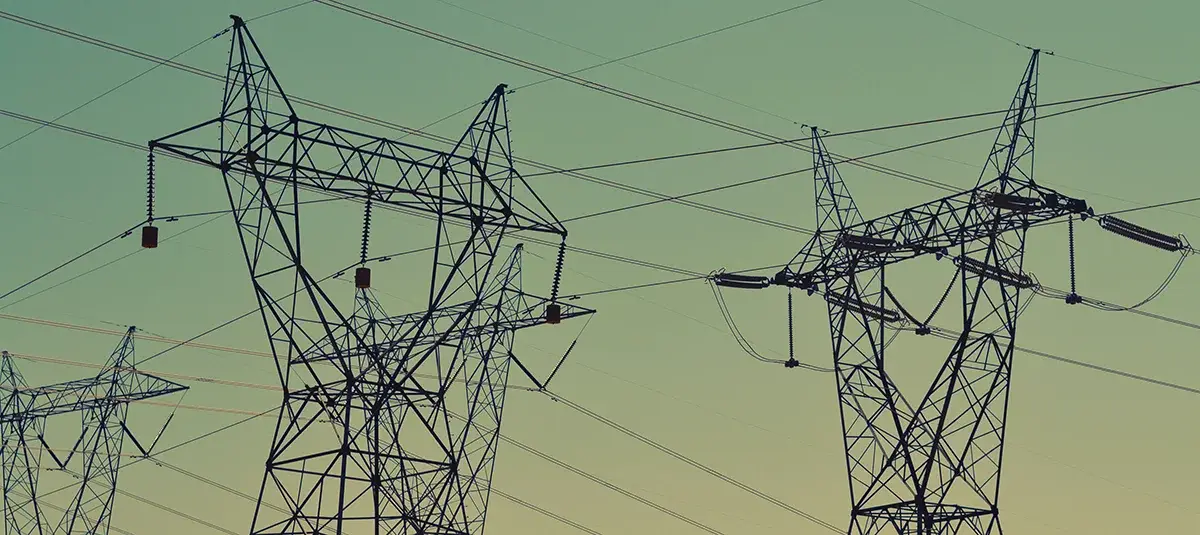
TL;DR: Dominion charges monthly standby fees on residential net-metering customers whose solar system AC capacity exceeds a threshold. That threshold rises from 15 kW AC to 20 kW AC on July 1, 2026 under HB 1255 — meaning a lot of homeowners who were previously stuck at 15 kW can now build (or expand) a larger system without triggering the fee.
Hello, Virginia homeowners! If you’re a residential Dominion customer considering going solar — or thinking about expanding an existing array — it’s important to know about Dominion’s standby fees and how to avoid them. They apply to larger residential systems, so if your system is below the AC threshold (or if you’re a commercial project), you shouldn’t have to worry. (This applies across all of Dominion territory, including the Richmond metro, where most of the homes we install on are sized right up against this threshold.)
What changed in 2026: HB 1255 raises the cap to 20 kW AC
For years, the standby-fee threshold for residential net-metering customers in Dominion territory was 15 kW AC. That’s why a lot of solar systems we and other installers built between 2018 and early 2026 were intentionally capped just under 15 kW — even when the homeowner had room and load for a larger system — to avoid triggering the fee.
That cap is going up. HB 1255 was signed into law and takes effect July 1, 2026, raising the standby-fee threshold from 15 kW AC to 20 kW AC. Practically, that means:
- New residential systems can be designed up to 20 kW AC and still avoid standby fees.
- Homeowners with existing 15 kW systems who were originally constrained by the cap can now add panels and expand their array without crossing the threshold.
- Homes with larger loads — EVs, heat pumps, well pumps, hot tubs, additions — get more headroom to actually offset their consumption.
Everything else about how the fee is calculated stays the same. Below is the long version.
What are Dominion’s Standby Fees?
In March 2011, a law known as HB 1983 was passed, allowing Dominion to charge residential net-metering customers with an AC capacity greater than 10 kW to pay a monthly standby charge. That threshold was later revised to 15 kW AC, and — as of July 1, 2026 — to 20 kW AC under HB 1255. These are fees added to your normal electric bill each month, and they’re based on the peak amount of energy you pull from the grid in a given month.
How Standby Fees Are Calculated
If your system AC capacity is above the threshold (15 kW AC before July 1, 2026; 20 kW AC after), Dominion calculates standby fees based on your peak demand from the grid. Think of it as the most energy your home pulls at any given moment that month. The fee is composed of two parts:
-
$2.79 per kW in monthly distribution standby charges.
-
$1.40 per kW in monthly transmission standby charges.
For example: if on a hot summer day your solar system isn’t producing much because of cloudy weather, and you plug in your car (10 kW), turn on your AC (5 kW), and run your dryer (5 kW), you could pull 20 kW from the grid. That would result in a standby charge of ($2.79 + $1.40) × 20 kW = $83.80 for that month — on top of your normal bill.
Who is Most at Risk?
Homeowners with large electrical loads — 400-amp services, EV chargers, multiple heat pumps, electric instant-hot-water heaters, hot tubs, or pool heaters — are at the greatest risk of incurring high standby fees if their system is above the threshold. If those large loads run simultaneously, your peak usage can spike, leading to hefty charges. If your home’s peak usage hits 30 kW in a given month, that’s about $125 in additional fees.
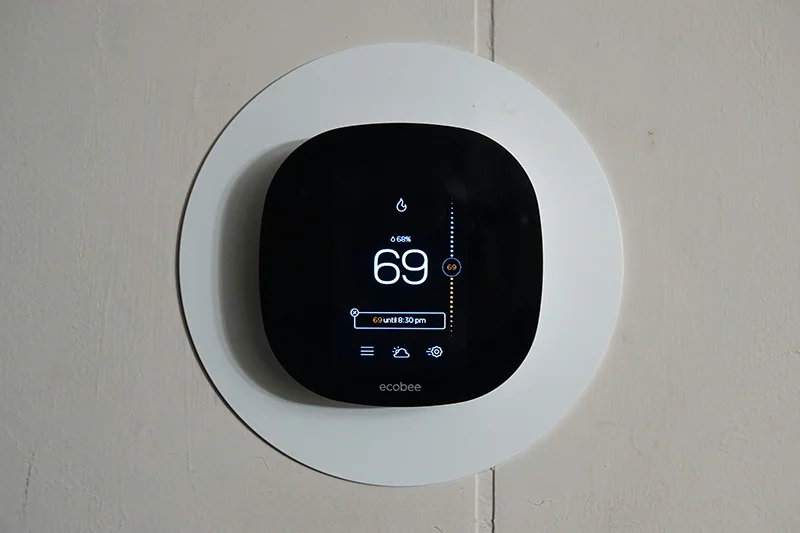 Homes with energy-hungry appliances or heat pumps that can surge are at risk of triggering steep fees, if they’re subject to standby fees.
How to Avoid Standby Fees
-
System size matters. Standby fees apply to residential customers with solar systems above the AC threshold — 15 kW AC before July 1, 2026, and 20 kW AC after. Solar systems are typically measured in DC, so a 20 kW AC system could range from 20 kW to ~26 kW DC, depending on the inverters used.
-
Interconnection paperwork is what counts. Whether you get charged standby fees is determined by the system AC capacity listed on your interconnection paperwork with Dominion — not your actual production or daily readings.
-
Stay under the cap that applies to you. If your installation is happening before July 1, 2026, design under 15 kW AC. After July 1, 2026, you have headroom up to 20 kW AC. This means paying close attention to the system design and the inverter components used.
-
If you have an existing 15 kW system and want more, time the expansion. Any change in system capacity triggers a new interconnection application. Expanding after July 1, 2026 lets you take advantage of the higher 20 kW threshold. We help customers time these applications carefully — see our solar expansion page for the full process.
Final Thoughts
Standby fees can significantly affect the savings you expect from solar — but the new 20 kW AC threshold under HB 1255 gives homeowners meaningfully more room to actually offset their bills. As a solar installer in Virginia, we prioritize designing systems that maximize savings and minimize unnecessary costs, and we keep close track of regulatory changes so your system is sized for the rules that will apply when it goes live.
Avoiding standby fees is critical to maximizing your savings, and avoiding paying Dominion unnecessary fees. If you’re thinking about a new system or an expansion in 2026, we’re happy to walk through the timing with you.
Related Posts

What the “Big Beautiful Bill” Means for Solar in Virginia
Learn all the impacts of the OBBB on solar, and how they affect Virginians, from residential solar to commercial solar tax credits.
Can an HOA prevent you from going solar in VA?
Virginia law protects homeowners that want to install solar panels and stops HOAs from adding unreasonable restrictions on solar.

How Much Does Solar Cost in 2026? A Virginia Homeowner's Guide
Solar prices in 2026 for Virginia homeowners: cash at $2.50–$3.00/W, TPO at $0.11–$0.14/kWh, and payback in 10–13 years post-ITC. Full breakdown.