
Skip to content
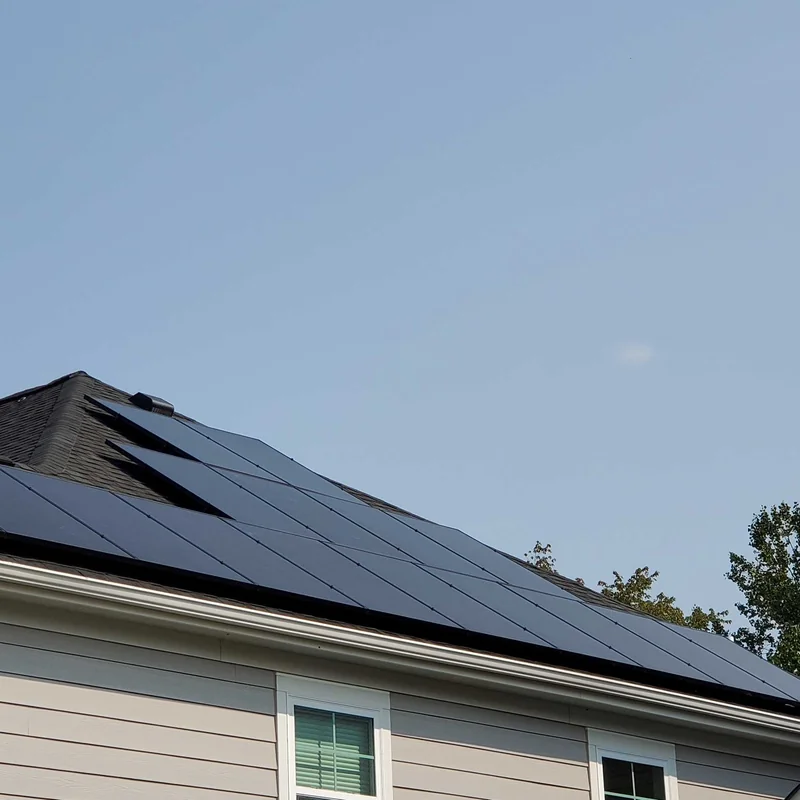
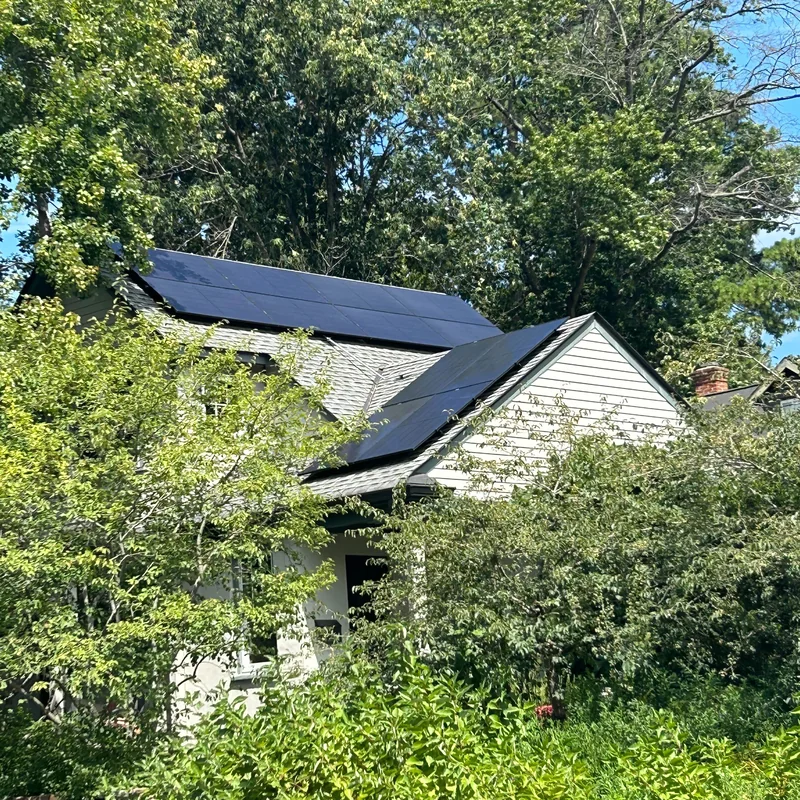
A modern Virginia home with a recently expanded rooftop solar array
Google
5.0 Rating (73)

Add Solar Panels to an Existing System

Solar not covering 100% of your bill? Get a free expansion quote — we'll review your existing system and right-size the addition.

Enphase
NABCEP
REC
BBB
Solar Insure Certified Provider

PDF or image, max 20 MB

Solar that's not quite covering your bill?

Yes, almost any solar system can be expanded.

This is one of the most common calls we get: "I love my solar, but I'm not quite covering my whole bill. Can you add a few panels?"

The answer is yes — and we do these all the time. An expansion isn't quite the simple bolt-on most people picture; it's a smaller, complete installation with its own engineered planset, permit, and revised net-metering agreement. But that's exactly the kind of work our Virginia solar contractor team specializes in, and for most homeowners with a real production gap, it's a smart, straightforward project.

Get a free expansion quote

Common reasons we hear

Why our customers expand

Life changes faster than solar systems. Most of the expansions we do today are for homeowners whose original system was sized perfectly for the home they had — and now they have a different home. The most common reasons:

  • Bought an EV — even one EV typically adds 2,000–4,000 kWh/year of usage
  • Switched to a heat pump for heating, cooling, or a heat-pump water heater
  • Added square footage — an addition, finished basement, or new ADU
  • Started working from home — the home office that runs all day adds up
  • Originally capped at 15 kW AC to dodge Dominion's standby charges (more on that below)
  • Just got the bug — solar works, you want more of it

If your annual usage has crept past your annual production, an expansion lets you build on what's already there rather than starting from scratch.

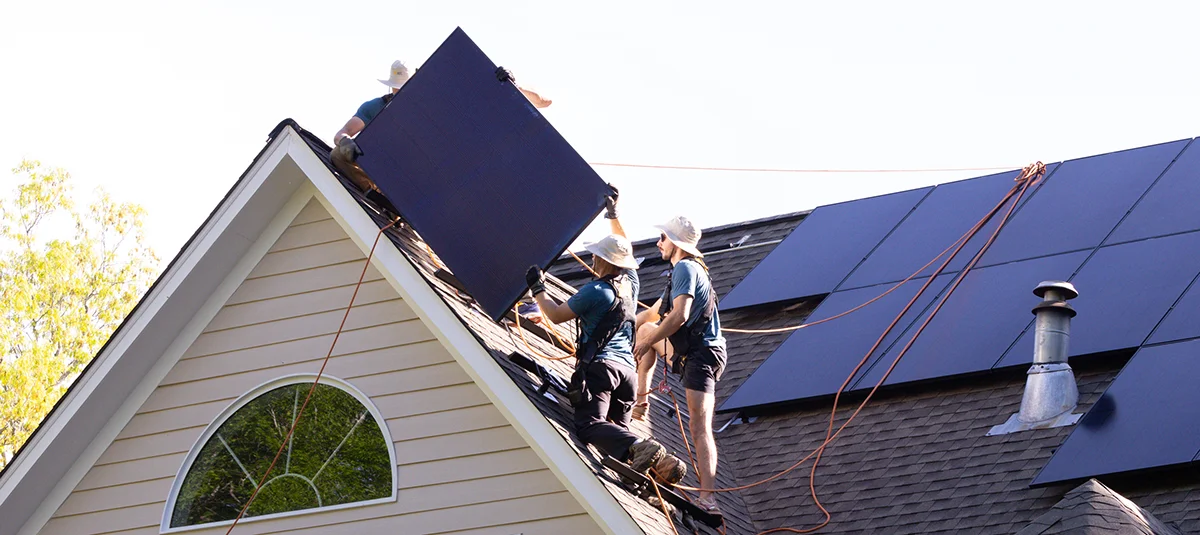
Virtue Solar crew adding panels to an existing rooftop solar system in Virginia

The engineering we handle

What's involved in an expansion

Most existing solar systems were sized to fit, not to grow — which means an expansion almost always involves more than just the panels themselves. Here's the engineering we typically handle:

  • Inverter capacity. Adding panels usually means upsizing your inverter, adding a second one, or putting the new array on its own microinverter circuit so the existing equipment keeps doing its job.
  • Modern code compliance. New circuits have to meet current rapid-shutdown rules. We make sure the integration with your existing system is clean.
  • Panel layout and aesthetics. Today's 460W panels aren't the same size as a 300W panel from 2018. We plan the layout so the new array sits well alongside the original.
  • Mixed equipment, kept simple. Rather than forcing different inverter generations to talk to each other, we usually run the new panels on their own dedicated circuit.
  • Net-metering and utility coordination. Any capacity change triggers a new interconnection application. We handle the paperwork, time it strategically, and protect your existing terms.

It isn't a bolt-on, but it isn't mysterious either — and we give you a fixed-price proposal up front so there are no surprises.

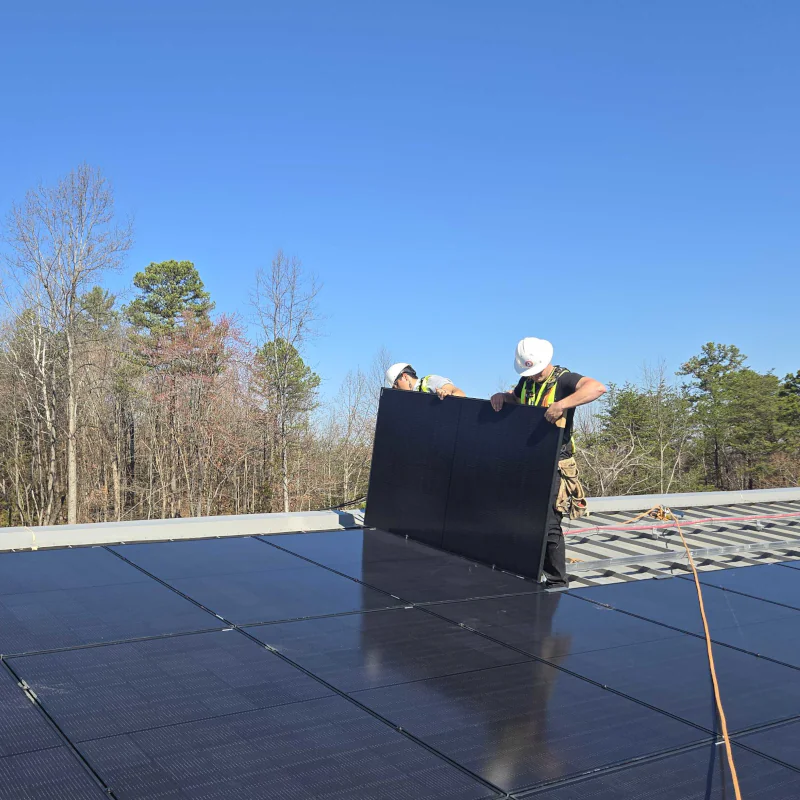
Virtue Solar technicians adding panels to an existing rooftop array in Virginia

Get a free expansion quote

Tell us about your existing solar system and what's changed. The more you can send up front, the faster we can get you a real number — but if you don't have all of this, no problem. We'll pull what we need.

  • Existing inverter and panel make / model (or original plans)
  • Your current Dominion or co-op net-metering AC capacity
  • 12 months of utility usage, or a recent bill
  • Photos of inverter, main electrical panel, and meter area
  • What's changed at home — EV, heat pump, addition, more usage

Free solar expansion quote

PDF or image, max 20 MB

Two changes coming in 2026

Expanding your solar system: Dominion customers

If you're in Dominion territory, two regulatory shifts in 2026 directly affect how we'd plan your expansion.

Dominion net metering changes

Dominion has proposed lower export rates and new fees under NEM 2.0, with a ruling expected in 2026. Existing customers are grandfathered into 1:1 net metering, but any expansion triggers a new application. Filing before the rules change protects both your old and new array — if you've been thinking about expanding, now is the moment.

Standby charge cap increasing from 15 kW to 20 kW 🎉

For years, customers who wanted a bigger system had to cap at 14.9 kW AC to dodge Dominion's monthly standby fees. HB 1255 changes that — the threshold rises to 20 kW AC, giving 12–14 panels of headroom on top of the old cap.

Virtue Solar crew installing additional REC solar panels on a Virginia rooftop

An alternative to consider

What about adding a battery instead?

If your solar is already covering most of your usage and what you really want is energy security during outages, adding a battery to your existing solar is often the better project. We do a lot of these too, and the FranklinWH aPower 2 works with virtually any existing solar setup — Enphase, SolarEdge, SMA, Fronius, Tesla, Generac, you name it. A battery retrofit is typically a one-day install with no changes to your existing array.

Many of our customers actually do both — expand the array and add storage — in a single project, which saves on permitting and mobilization costs.

See battery retrofit details
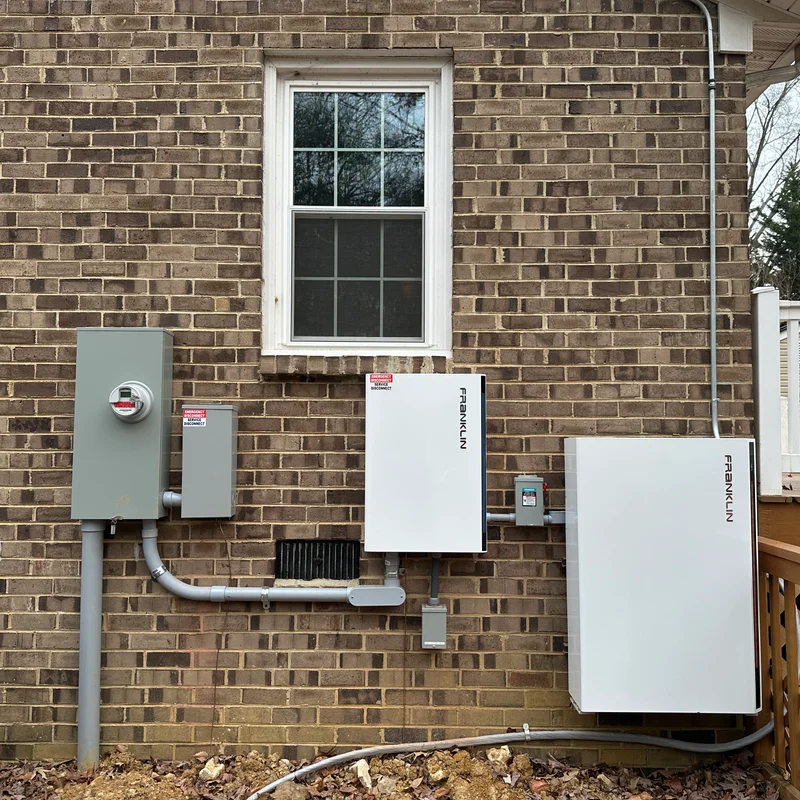
A FranklinWH aPower 2 battery added to an existing Virginia solar home

How we approach an expansion

When you reach out, we don't just quote "X panels for $Y." We do a real design review, the same way we would for a new install:

  • Site visit and existing-system audit. We pull up your system, check inverter capacity headroom, look at conduit fill, evaluate roof space and shading, and confirm what code triggers apply.
  • Production-gap analysis. We pull 12 months of your utility bills and compare actual production to actual consumption, so we can size the expansion to your real shortfall — not a guess.
  • Net-metering and Dominion strategy. If you're in Dominion territory, we time the application carefully around the standby threshold and the NEM 2.0 ruling, and we make sure your existing grandfathering is preserved as much as the rules allow.
  • Fixed-price proposal. Permitting, engineering, equipment, labor, and utility coordination — all in one number. No change orders if we discover something in your attic.
  • Install and commissioning. Most expansions are 1–2 days on site once permits are approved, with a typical end-to-end timeline of 6–10 weeks.
The right fit

When expansion makes the most sense

The expansions that really pencil out tend to fall in the 3–8 kW range, on a system that was originally undersized or where life has clearly changed. If your annual usage has meaningfully outpaced your production, an expansion almost always makes sense — and is cheaper per watt than starting over with a new array.

For very small additions — a panel or two — there's a fixed-cost component to any expansion (permitting, planset, utility application, mobilization) that makes the per-watt cost of tiny projects high. If you're only short a couple hundred kWh per month, we'll usually tell you so honestly and suggest waiting until your needs grow, or looking at plug-in "balcony" solar when it becomes legal in Virginia.

Additional solar panels added alongside an existing rooftop array on a Virginia home

Common questions about solar expansions

Will my expansion affect my existing net-metering agreement?

Any change in system capacity triggers a new interconnection application. In Dominion territory we time the application carefully around the standby threshold and the NEM 2.0 ruling, and we work to preserve as much of your existing grandfathering as the rules allow.

Is it cheaper to expand or start over?

For meaningful expansions (3 kW or more), expanding is almost always cheaper. The existing array, mounting, conduit runs, and main-panel work are all reusable. Starting over only makes sense if your existing system is failing or genuinely outdated.

How long does a solar expansion take?

Most expansions are 1–2 days on site once permits are approved. Total timeline from contract to powered-on is typically 6–10 weeks — most of that is permitting and utility approval, not install.

Do my new panels need to match my existing ones?

Aesthetically, they often won't — modern panels are physically different from panels installed even five years ago, and matching exactly is rarely possible. Electrically, the new panels typically run on their own dedicated circuit (with their own MPPT or microinverters) rather than mixing into the existing strings, which actually performs better than trying to force a match.

I'm only short a couple hundred kWh a month — is an expansion worth it?

It depends. Small expansions cost more per watt than large ones because of fixed permitting, engineering, and mobilization costs. We'll give you an honest read on whether the math works for your situation — sometimes the answer is "yes, here's a tight quote," and sometimes it's "wait six months until your EV arrives and we'll do it all at once." Either way, we'll tell you straight.

Can I add a battery and expand the array at the same time?

Absolutely — and many of our customers do. Combining the two projects saves on permitting, utility coordination, and mobilization costs. If you're considering both, let us know up front so we can quote them together.