
Watts, Kilowatts, and Kilowatt-Hours—What Do They Mean in Solar?

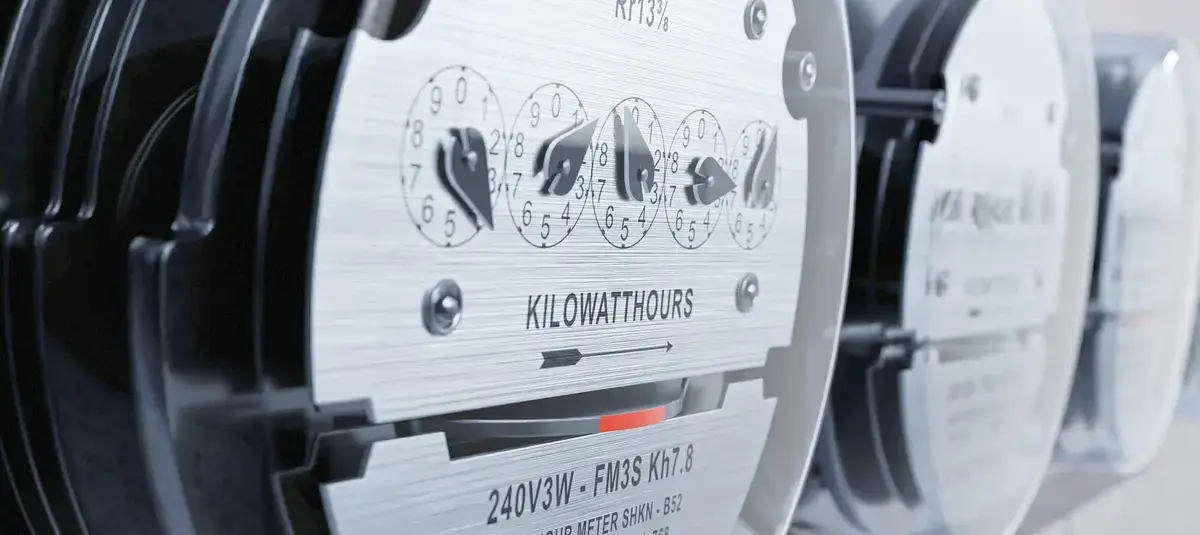
If you’re thinking about putting solar on your home in Virginia, chances are you’ve already seen numbers like “10kW solar system” or “produces 12,000 kWh annually” on your solar quote.
And if those numbers felt a little abstract, you’re not alone. Most homeowners aren’t electrical engineers—and you shouldn’t need to be to understand your solar options.
What’s the Difference Between Watts, Kilowatts, and Kilowatt-Hours?
-
Watt (W): A unit of power. Think of it like the rate at which electricity is being used or produced.
-
Kilowatt (kW): 1,000 watts. This is the unit we typically use when talking about solar panel capacity or appliance power draws. A 10kW system is the same as a 10,000W system.
-
Kilowatt-hour (kWh): A unit of energy. This is what your utility bills are based on. One kilowatt-hour means using (or producing) 1,000 watts of electricity for one hour.
Example:
If you run a 1,000-watt space heater for one hour, it uses 1 kWh of energy.

How This Shows Up in Solar Quotes
Most solar quotes include two important numbers (haven’t gotten one from us? Get a solar quote here):
System Size (in kW)
This is the total capacity of your solar array under ideal conditions. For example:
-
10 solar panels rated at 400W = 4,000W or 4kW system
-
20 panels at 450W = 9,000W or 9kW system
Estimated Annual Production (in kWh)
This is how much energy your system is expected to generate over a year. For example, a 10kW system in Virginia might produce around 12,000 to 14,000 kWh per year, depending on shading, orientation, panel type, and other factors.
👉 Quick tip:
Production estimates (kWh) can vary a lot depending on the software and assumptions used by each company. When comparing quotes, it’s usually more reliable to compare the system size (kW)—because a larger system will almost always produce more energy than a smaller one.
Are Bigger Wattage Panels Better?
Not necessarily.
We sometimes get asked if 450W panels are “better” than 400W panels. The truth is, panel wattage depends on size. A bigger panel can fit more cells and produce more power—but it’s not necessarily newer, more efficient, or a better value.
What matters most:
- Total system size. Whether you get there with a few large panels or more smaller ones, what really matters is how much solar you can fit on your roof.
So a system with 25 lower-wattage panels can be just as good—or better—than a system with 20 high-wattage panels. It all depends on roof layout, shading, and what fits best on your home.
Let’s Talk About Batteries: Measured in kWh
Solar panels are sized in kW, but if you’re looking at home solar batteries, you’ll need to know about kWh. That’s because what matters with storage is how much energy you can store and use later, which is measured in kWh.
What can 15kWh of battery storage do?
That could power:
-
A fridge (1kWh/day)
-
WiFi + lights (1kWh/day)
-
A few hours of heating or A/C (4–6kWh)
-
Phone/laptop charging and small appliances
It’s enough to get you through an overnight power outage, or keep the essentials running during a storm. But if you want more coverage, we typically recommend 20–30kWh of storage for whole-home backup.
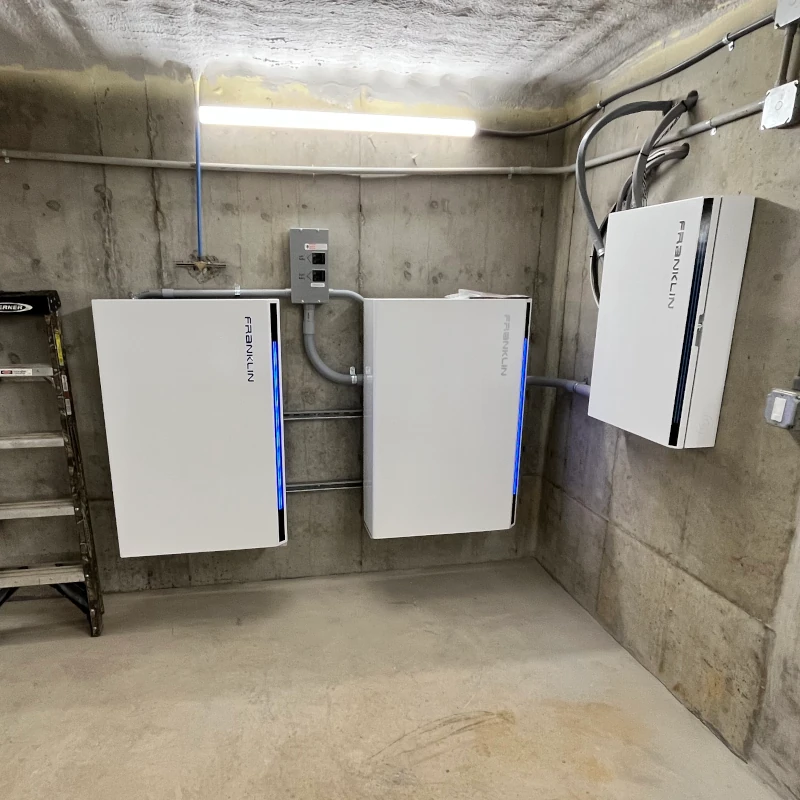 FranklinWH batteries installed in a home
Power Output Matters Too
Just like your panel system has a size in kW, your battery does too. It’s called power output—how much electricity it can deliver at once.
For example, the FranklinWH aPower2 (which we often install) has:
-
15kWh of storage
-
10kW of output
This means it can power a large load (like your well pump, A/C, and fridge) simultaneously, without overloading. If you had two of these batteries, you’d double both the storage and the output.
Wrapping It Up: Why This Matters
If you’re comparing quotes from Virginia solar contractors, understanding kW and kWh will help you make an informed decision. Look beyond the panel count and focus on:
-
Total system size (in kW)
-
Expected production (in kWh/year) — just be aware it’s an estimate
-
Battery size (in kWh) and output (in kW)
And remember: we’re always happy to walk you through your options. At Virtue Solar, we don’t just throw numbers on a page—we build custom solar systems that match your home, your goals, and your budget.
Related Posts

REC Alpha Pure-RX 460W Solar Panel Review
Is the REC Alpha Pure-RX 460W Solar panel the best panel on the market? We take a look at the newest offering from REC and give it a review.
Do Solar Panels Help Keep Homes Cool?
Solar panels block direct sunlight from hitting your roof, which can keep your home cooler and reduce summer electric bills even further!
How to clean solar panels
Learn how to clean your solar panels, to get the most out of your solar. See when to clean them, how to do it, and how to avoid mistakes.