
Victory for Virginia Solar: APCo Net Metering Preserved!

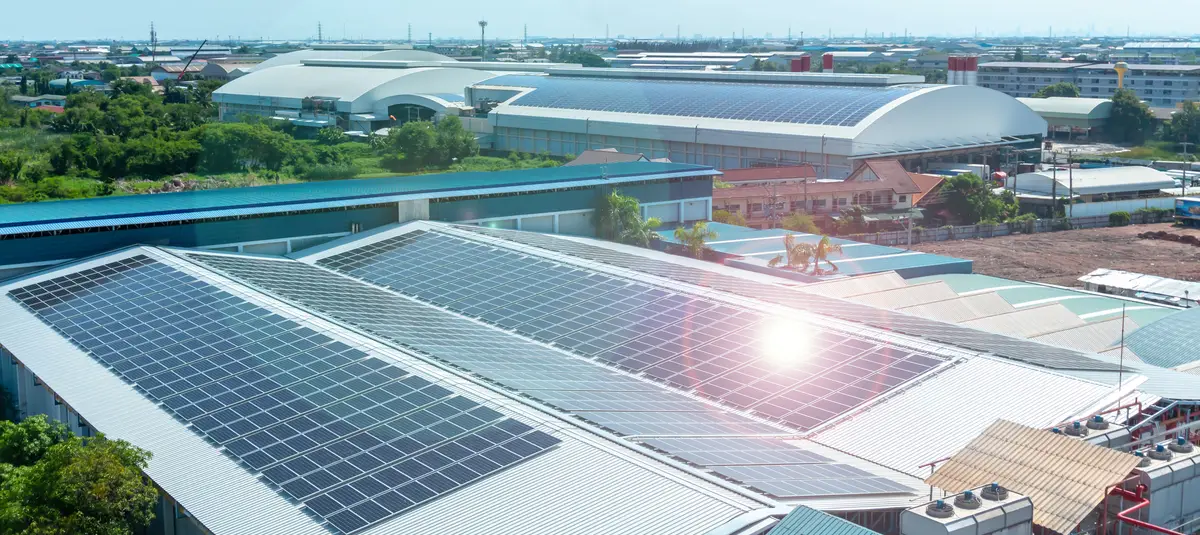
SCC Delivers Clear Win for Distributed Solar in Appalachian Power Territory.
It’s a wild year for solar, but in some good news, the Virginia SCC delivered a clear victory for rooftop solar. The SCC ruled to preserve the current net metering structure that makes solar an attractive investment for homeowners and businesses across Appalachian Power territory.
What Just Happened?
Appalachian Power had proposed dramatic changes to its net metering program, claiming that solar customers were being overcompensated for the power they sell back to the grid. The utility wanted to slash compensation rates from the current retail rate (starting at about 8 cents per kilowatt-hour) down to as low as 4.7 cents – a reduction of approximately 70%.
The SCC firmly rejected this proposal, finding that net metering in its current form actually provides net benefits to all ratepayers and does not impose undue cost shifting to non-solar customers.
The Major Victories
1. Full Retail Credit Preserved for Your Own Usage
The Commission affirmed that solar customers will continue to receive full retail value for all the solar energy they generate and use themselves over a 12-month period. As the SCC stated, energy that offsets your own consumption “is to be effectively compensated at the applicable retail rate.” This one-to-one credit system remains the cornerstone of solar economics. 2. 12-Month Banking Period Maintained
This is huge: The SCC explicitly rejected Appalachian Power’s attempt to switch from annual to hourly measurement. You can still bank your excess solar credits throughout the year – generate extra power during sunny summer months, and those credits offset your winter electricity needs. The Commission cited Virginia code in affirming that the 12-month net energy measurement period must remain intact. 3. No New Grid Connection Costs
The Commission rejected the imposition of additional grid connection costs or standby charges on solar customers. Your monthly customer charge remains unchanged at $7.96. 4. Net Metering Cap Stays at 6%
Despite Appalachian Power’s request to reduce the cap on net-metered projects, the SCC maintained the current 6% limit, providing plenty of room for solar growth in the territory. 5. Better Compensation for True Excess Generation
For any generation that exceeds your total annual consumption, the new compensation rate will actually be higher than the current default PJM Locational Marginal Pricing rate, as it now includes the value of Renewable Energy Credits (RECs) required by state law.
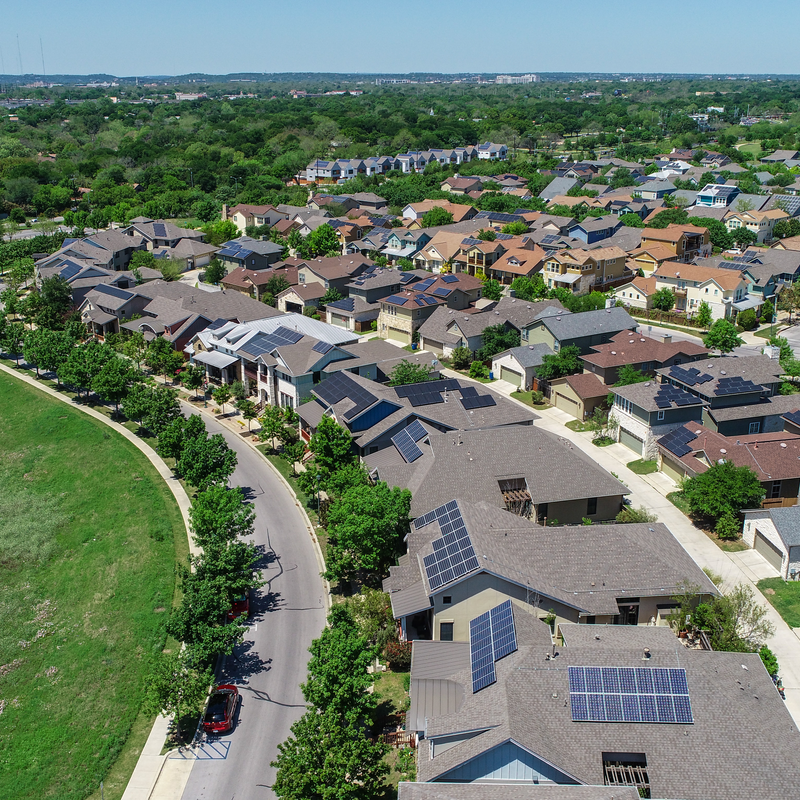 The SCC decision protects residential ratepayers, and ensures a 1:1 ratio for net-metering customers.
Why This Decision Matters
The SCC’s ruling recognizes what the solar industry has long maintained: distributed solar provides real, quantifiable benefits to the grid and all ratepayers.
The Commission found that accounting for all benefits – including reductions in line losses, congestion, ancillary services, REC purchase requirements, emissions, capacity obligations, and transmission costs – Appalachian Power’s existing net metering program is already cost-beneficial to the utility and its customers at large. They acknowledged that renewable energy’s reduction in carbon emissions is a benefit to all Virginians.
This decision also acknowledges the critical role distributed solar plays in meeting Virginia’s growing energy needs. With data centers already consuming 25% of Virginia’s electricity (projected to double by 2030), and Northern Virginia hosting the world’s largest concentration of data centers, we need every available energy resource – especially fast-deploying rooftop solar.
A Vote of Confidence For Solar in Virginia
The SCC’s decision constitutes both a confirmation of Virginia’s commitment to clean energy under the Virginia Clean Economy Act and a vote of confidence in the distributed solar industry’s critical role in driving down energy costs for all Virginians.
Distributed energy resources like residential solar don’t just generate clean power – they significantly reduce the burden on Virginia’s grid by:
-
Generating energy where and when it’s consumed
-
Improving grid quality and reliability
-
Helping correct power factor and stability issues
-
Regulating grid frequency and voltage
Looking Forward
The Commission acknowledged that their ruling will likely increase the attractiveness of net metering to new customers – and that’s exactly the point. With Virginia facing an enormous projected energy shortfall over the next five to ten years (thanks AI datacenter boom), we need to accelerate solar adoption, not slow it down. For those in APCo territory, it means solar access is secure.
Dominion filed its own NEM 2.0 proposal in May 2025, and on April 30, 2026 the SCC similarly preserved 1:1 net metering for Dominion customers — making it two-for-two for solar in Virginia’s biggest investor-owned utility territories.
What This Means for You
Even with the 30% residential tax credit having ended in 2025, this decision ensures solar remains a powerful tool for lowering your energy costs. The SCC has confirmed that:
-
Your solar investment will be valued fairly
-
The economics of solar remain strong
-
Virginia is committed to customer choice and energy independence
Ready to Go Solar?
There’s never been a better time to explore residential solar with a local Virginia solar installer, or commercial solar in Virginia. With net metering protections secured and rising electricity rates solar offers both immediate savings and long-term energy independence.
The bottom line? Virginia just delivered a resounding affirmation of distributed solar’s value. If you’ve been considering solar, this ruling confirms that your investment will be protected and valued fairly for years to come.
Related Posts

Third-party solar leasing is now allowed in Virginia
Solar leases are available to Virginia homeowners. Learn about the pros & cons, and see if solar leasing is the right option for your home.
Can an HOA prevent you from going solar in VA?
Virginia law protects homeowners that want to install solar panels and stops HOAs from adding unreasonable restrictions on solar.
Virtue Solar Now Offers TPO Solar Financing
Virtue Solar now offers TPO solar for Virginia homeowners — go solar with $0 upfront and a lower, predictable monthly payment.