
Plug-in Solar (Balcony Solar) Is coming to Virginia

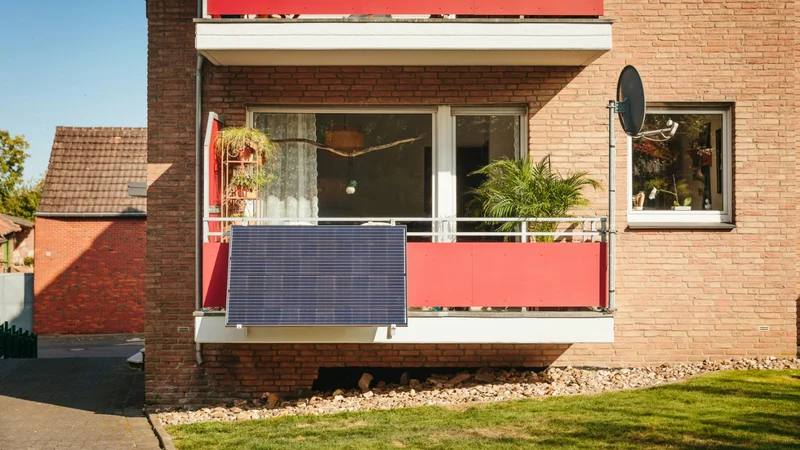
Virginia is about to become the second state in the nation to legalize plug-in solar panels — and if you’re a renter, a homeowner on a budget, or just someone who’s been curious about solar but hasn’t taken the plunge, this might be for you.
HB 395 passed the General Assembly in March 2026 with overwhelming bipartisan support, and Governor Spanberger is expected to sign it any day now. But before you start shopping: the key consumer provisions don’t take effect until January 1, 2027. There’s a stakeholder process and safety review that needs to happen first, and the SCC still needs to publish the required notification form.
So consider this your head start. Here’s everything you need to know about what’s coming, what it means, and how it compares to a traditional solar installation.
What Is Plug-In Solar?
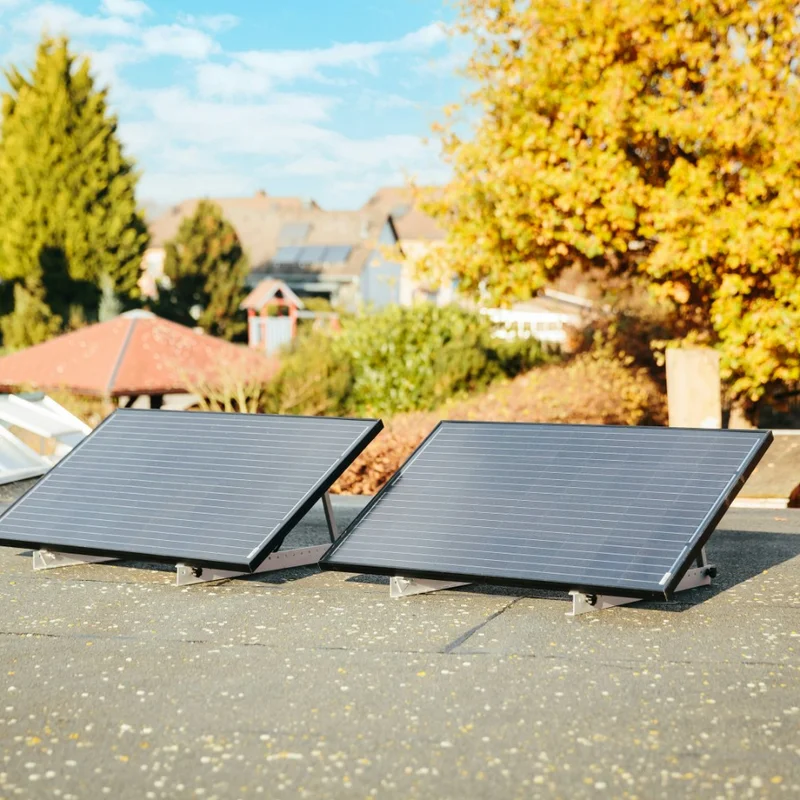
Plug-in solar (also called balcony solar) is exactly what it sounds like. You mount one to three small solar panels on a balcony railing, patio, fence, or deck. A built-in microinverter converts the panels’ DC output into standard 120-volt AC power — the same kind of electricity that comes out of your wall outlets. You plug the system into a regular outlet, and it starts feeding solar power into your home’s electrical circuit.
That’s it. No electrician, no contractor, no permits. It’s closer to setting up a window AC unit than installing a rooftop solar array.
When the system is producing power, appliances on the same circuit draw from the solar panel first before pulling from the grid. If your panel is generating 300 watts and your home is using 500 watts, only 200 watts come from Dominion or APCo — your meter effectively slows down.
Modern microinverters run at about 96–97% efficiency and include built-in Wi-Fi, so you can monitor your production from your phone.
What Does HB 395 Actually Do?
The new law creates a legal category called “small portable solar generation devices” — nationally certified, plug-in solar panels capped at 1,200 watts per dwelling. That’s roughly two to three panels, enough to meaningfully reduce your electric bill but not eliminate it.
The most important thing the law does is remove barriers that never made sense for systems this small. Under the current rules, even a tiny 400-watt balcony panel gets treated the same as a 10-kilowatt rooftop array — interconnection agreement, utility approval, a licensed electrician, potentially a bidirectional meter. That process takes at least 30 days and was designed for something completely different. HB 395 wipes all of that away for systems under 1,200 watts.
Here’s what that looks like in practice:
No utility approval. Dominion, APCo, municipal utilities, and co-ops cannot require interconnection agreements, charge fees, or require approval before you install a plug-in system.
Notification, not permission. You’ll submit a notification form (the SCC will develop this before the law takes effect) and tenants will need to notify their landlord and utility. But nobody can deny the installation — it’s informational only.
Landlords can’t ban it. If your landlord owns more than four rental units, they’re prohibited from banning plug-in solar. They can set reasonable restrictions on placement and size, and they can require renter’s insurance, but they can’t say no.
Localities can’t prohibit it — though local zoning and historic preservation rules still apply.
Safety certification is required. Systems must be nationally certified, which in practice means meeting the UL 3700 standard — the first US safety certification built specifically for plug-in solar, launched by UL Solutions in January 2026. Systems must include back-feed protection and must shut down automatically during a power outage.
No net metering. Plug-in solar is explicitly excluded from Virginia’s net metering program. You won’t get credit for excess power that flows back to the grid. Your savings come entirely from using the solar power as it’s generated — a “use it or lose it” model.
A Quick Note on the 1,200-Watt Limit
The bill defines this as “maximum power output” but doesn’t specify whether that’s DC (the panel’s nameplate rating) or AC. Most SCC rules relate to the AC (inverter sizing), and we expect the SCC’s implementation rules to clarify this. But it’s something to watch.
When Can You Actually Install It?
Here’s the timeline as we understand it:
Now through July, 2026: Governor Spanberger sent the bill back with technical amendments, and is expected to be approved in special-session. Balcony solar was part of her “Affordable Virginia Agenda,” so a signature and approval is widely expected.
2026: The Secretary of Commerce and Trade will convene a stakeholder work group — including representatives from government, utilities, businesses, environmental organizations, firefighters, and realtors — to review safety standards. Their findings are due by November 15, 2026. The SCC will also develop and publish the required notification form.
January 1, 2027: The consumer-facing provisions take effect. This is when Virginia residents can legally purchase, install, and operate plug-in solar under the new framework.
Our advice? Don’t rush out and buy a system right now. Wait until the law is in effect, the notification process is finalized, and UL 3700-certified products are more widely available. We expect the product landscape to look meaningfully different by early 2027 — more options, lower prices, and clearer guidance on what’s compliant.
What’s Available — and Where to Find It
The US plug-in solar market is still young compared to Europe’s, but it’s growing fast. As of early 2026, two companies are selling UL-certified plug-in solar kits in the US:
CraftStrom — Texas-based, with kits for balcony solar, microinverters, panels and batteries.
Bright Saver — A San Francisco-based nonprofit has also been the leading advocacy organization behind plug-in solar legislation, working with lawmakers in 28+ states and creating model legislation.
Popular European brands like Anker SOLIX, EcoFlow PowerStream, and Zendure have strong products but aren’t yet UL-certified for the US market. As states continue passing enabling legislation and UL 3700 becomes more established, expect major manufacturers to enter the market and prices to come down — Utah saw system costs drop roughly 50% within months of passing its law in 2025.
By the time Virginia’s law takes effect in January 2027, we’d expect to see more certified options available, potentially including products at big-box retailers. AP Systems has already entered the market with their EZ1 Microinverter, and other companies are likely to join the bandwagon.
How Does Plug-In Solar Compare to a Professional Installation?
Hey, we’re professional installers, this part is where we get to talk about what we do! Plug-in solar and professionally installed rooftop systems are genuinely different products that serve different needs. We think plug-in solar is a great development — it opens the door to solar for people who couldn’t participate before. It’s also an excellent way to add a small expansion if you have solar, but are just a little off the net-zero mark!
Energy Production
A typical plug-in system at 800 watts produces roughly 800–1,200 kWh per year in Virginia (we average about 4.5–5.0 peak sun hours per day). That covers roughly 10–15% of an average home’s electricity use (~10,500 kWh/year).
A professionally installed rooftop system is typically 7**–12 kW** — several times larger — and is designed to offset 80–100% or more of your electricity. The difference in scale is significant: plug-in solar takes a real bite out of your bill, but it doesn’t eliminate it.
Net Metering
This is one of the biggest practical differences. In Virginia, a professionally installed system qualifies for 1:1 net metering — every kilowatt-hour your system sends back to the grid earns you a full retail credit. That means your rooftop system can “bank” surplus power from sunny afternoons and use those credits to cover your evening and cloudy-day usage. Over a 12-month netting period, a well-sized system can effectively zero out your electric bill.
Plug-in solar gets no net metering. HB 395 explicitly excludes these devices. Any excess power that flows back through the outlet provides zero financial benefit. Your savings come entirely from what you consume in real time while the sun is shining.
That structure is simpler — no billing complications, no interconnection headaches — but it means plug-in solar works best when you have consistent daytime electricity use: a home office, an AC unit running in summer, appliances on during the day.
Battery Backup and Power Outages
A professionally installed system can be paired with a home battery to store excess energy and keep your home running during outages. With the right setup, your home can operate independently of the grid when the power goes down. For anyone who’s lived through a multi-day outage in Virginia, this is one of the most valuable features of a full installation.
Plug-in solar can’t do this. By design and by law, these systems shut down when grid power goes out — that’s the anti-islanding protection that keeps utility workers safe. No battery, no transfer switch, no backup power. When the grid is down, your plug-in panel is off too.
Cost and Payback
Plug-in solar costs $400–$2,000 and pays for itself in roughly 2–5 years. A professional installation costs tens of thousands and pays back over roughly 8–12 years (although $0-down options are available) — but produces far more energy and lasts 25–30 years.
It’s worth noting that the 30% federal residential solar tax credit (Section 25D) expired at the end of 2025. Neither plug-in solar nor homeowner-purchased rooftop systems qualify for a federal credit in 2026. However, professionally installed systems can still access the 30% credit through TPO (Third-Party Ownership) arrangements — where a solar company owns the system, claims the commercial credit, and passes the savings on to you. We offer TPO at Virtue Solar. Plug-in solar doesn’t have an equivalent financing option — it’s a direct purchase. For everything that does still apply in 2026, see our guide to Virginia solar incentives.
Home Value
A professionally installed system increases your home’s resale value. It’s a permanent improvement, like a new roof or HVAC system.
Plug-in solar is portable — you take it with you when you move. It won’t raise your property value, but for renters, that portability is actually a plus.
The Summary
| Plug-In Solar | Professional Installation | |
|---|---|---|
| System size | 400–1,200W | 5,000–30,000W+ |
| Cost | $400–$2,000 | ~Tens of thousands |
| Annual production | 600–1,400 kWh | 7,000–40,000+ kWh |
| Typical % of home usage offset | 10–15% | 80–100%+ |
| Net metering | No | Yes (1:1 in VA) |
| Battery backup | No | Yes |
| Federal tax credit | No | Yes (via TPO) |
| Adds home value | No | Yes |
| Requires electrician | No | Yes |
| Utility approval | No | Yes |
| Payback period | 2–5 years | 8–12 years |
| Best for | Renters, supplemental savings, getting started with solar | Full offset, backup power, long-term investment |
Why We Think This Is a Good Thing
Plug-in solar serves households that traditional rooftop solar simply can’t reach — renters, people with unsuitable roofs, folks in historic districts, and anyone who can’t or doesn’t want to commit to a $20,000+ installation. For a lot of Virginians, a $600 balcony panel might be their first real experience generating their own electricity. And for some of those people, that experience will eventually lead to a conversation about what a full system could do.
Even for homeowners who already have rooftop solar, a plug-in panel on a shaded patio or garage could provide a little extra production in a spot where a permanent installation doesn’t make sense.
The bottom line: more Virginians generating their own power is good for everyone. We’re excited to see this law take effect.
What to Do Right Now
If you’re interested in plug-in solar: Sit tight until January 2027. Keep an eye on the SCC’s notification process, watch for new UL 3700-certified products to hit the market, and bookmark Bright Saver and CraftStrom to stay current on what’s available.
If you’re a renter: This law was written with you in mind. Starting in 2027, your landlord (if they own more than four units) won’t be able to say no to a certified plug-in system. Notify, install, and start saving.
If you’re ready for more than 10–15% offset: Plug-in solar is a great start, but if you want to meaningfully reduce or eliminate your electric bill, add battery backup, and increase your home’s value, a full installation is the way to go. As a Charlottesville solar company serving homeowners across Virginia, we’re happy to walk you through it — free quote, no pressure.
Related Posts
Ground Mount Solar Vs. Roof Mount: Which is Right for You?
Explore the pros and cons of roof and ground mount solar panel systems to find the best fit for your home.
Do Solar Panels Work in Virginia Winters?
Learn how solar panels perform in Virginia winters, and how cold temperatures actually increases solar efficiency, if not overall production.
Solar Myths Debunked: The” Free Solar” Myth
Many companies offer financing options, but there is currently no government program (or “new program” as it is often advertised) that offers free solar.