
Why Virginia’s Datacenters Make Rooftop Solar More Valuable Than Ever

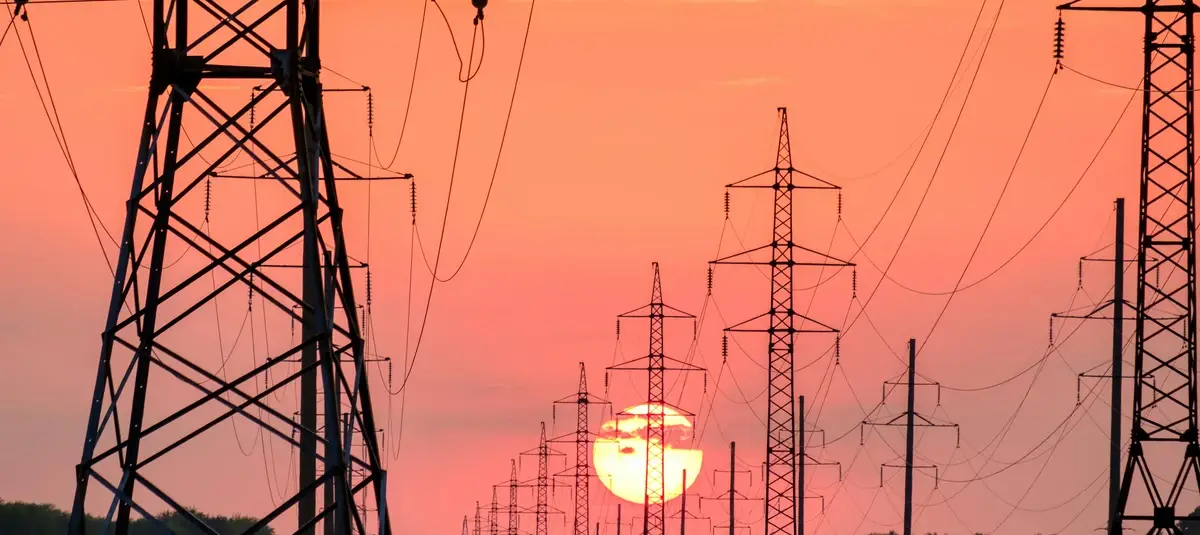
Virginia residential solar is becoming way more valuable than most people realize. A new study by Dunsky Energy + Climate Advisors (commissioned by the Piedmont Environmental Council) found that rooftop solar in Virginia delivers about 40 cents worth of benefits per kilowatt-hour—nearly three times what homeowners currently get paid through net metering.[1]
These benefits break down into two parts: savings for utilities (around 16 cents per kWh) and broader benefits for Virginia as a whole (around 24 cents per kWh).[1]
Virginia’s energy demand is about to skyrocket, and every rooftop solar system helps ease that pressure—benefiting homeowners, communities, and utilities alike.
Virginia handles 70% of global internet traffic, and the grid can’t keep up
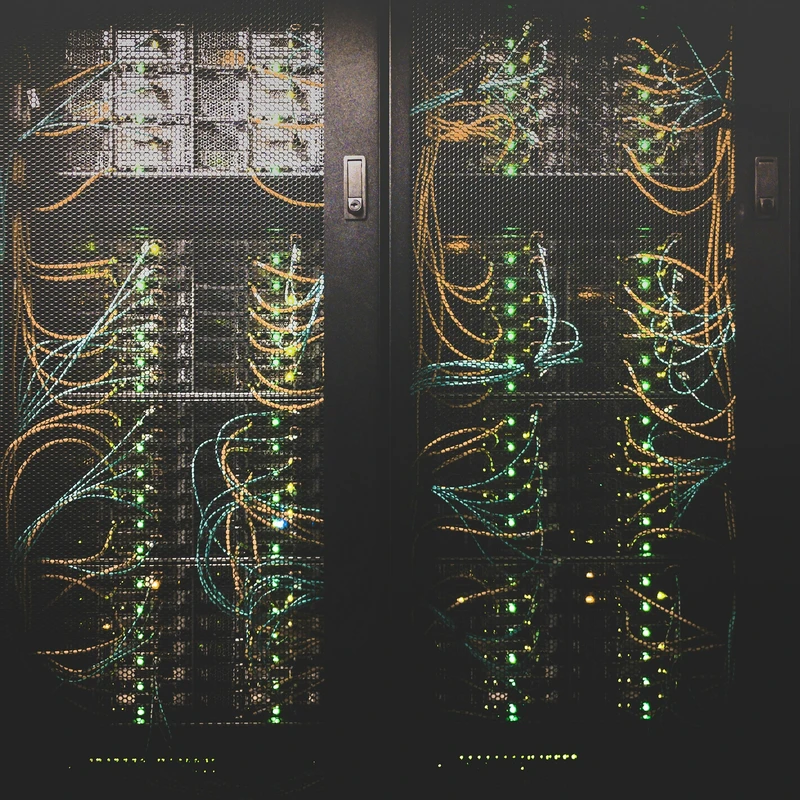
Northern Virginia has quietly become the datacenter capital of the world. Over 250 datacenters sit in what’s called “Data Center Alley,” handling an incredible 70% of all global internet traffic.[2] That’s roughly 13% of the world’s datacenter capacity and 25% of all datacenter capacity in the Americas.[3] Every time you stream Netflix, scroll through social media, or save something to the cloud, there’s a good chance your data passes through a building in Loudoun or Prince William County.
These datacenters need massive amounts of power. Right now, Northern Virginia facilities use about 4,100 megawatts—that’s like running several nuclear power plants at once.[4] One large datacenter campus alone can use more power than Virginia’s biggest nuclear reactor, which produces 950 megawatts.[4] And this is just the beginning.
Multiple studies—from state legislators, grid operators, and utilities—all agree: datacenter power demand will quadruple by 2035, hitting around 11,000 megawatts.[5] If this growth goes unchecked, Virginia’s total electricity demand could double within ten years.[6]
Here’s some perspective: Virginia’s electricity use barely changed from 2006 to 2020 because energy efficiency kept pace with population growth.[6] Now, Dominion Energy says power demand is growing faster than any time since World War II—and datacenters are driving almost all of it.[7]
What would it take to meet this demand? According to JLARC (the state’s independent analysis commission), Virginia would need to: double its annual rate of solar construction, build more wind power than all planned offshore wind projects combined, construct a massive 1,500-megawatt natural gas plant every two years for 15 straight years, increase transmission capacity by 40%, and boost total power generation by 150%.[6][3] JLARC’s bottom line: “Building enough infrastructure to meet unconstrained energy demand will be very difficult to achieve.”[6]
Solar is worth way more than just your bill savings
When most homeowners think about solar, they think about saving money on their electric bill. And that’s real—a typical 6-kilowatt system in Virginia produces about 7,500 kilowatt-hours per year. At around 15 cents per kWh, that’s roughly $1,125 in annual savings.[8] Factor in incentives, subtract the system cost, and you get your payback period.
But that calculation misses a lot. Studies show that rooftop solar provides benefits that go far beyond what shows up on your bill.
Here are the nine ways solar creates value (according to the Dunsky study):
-
Energy savings — You’re generating power that doesn’t need to come from somewhere else.
-
Reduced need for backup power plants — Solar means utilities don’t need as many expensive “peaker” plants that only run during high-demand days.
-
Less transmission infrastructure — Power generated on your roof doesn’t need expensive high-voltage lines to get there.
-
Easier on local equipment — When you make your own power during hot afternoons, it reduces stress on local transformers and substations.
-
No power lost in transit — Normally 5-7% of electricity is lost as it travels long distances. Rooftop solar eliminates that waste.
-
Grid stability — Solar helps keep voltage and frequency steady across the grid.
-
Meeting clean energy requirements — Your solar helps Virginia hit its mandatory renewable energy targets.
-
Lower wholesale prices — More solar supply pushes down electricity prices for everyone.
-
Cleaner air and better health — Less pollution means fewer health costs for the whole state.
A related Dunsky study from 2023 found that shared solar (community solar projects) provides 11 cents per kWh of value in Dominion’s territory today, rising to 21 cents by 2050. Most of that comes from energy savings (64%), with transmission and distribution benefits adding another 24%.[9]
Rooftop solar on your home is even more valuable than community solar because it delivers power right where it’s used—no transmission needed. It also installs quickly (months, not years), creates more local jobs (about 10 times more per megawatt), and preserves farmland and forests.
The Dunsky study found that residential rooftop solar delivers about 40 cents per kWh in total value—roughly 16 cents in direct utility benefits and 24 cents in broader benefits to Virginia.[1] But homeowners only get credited about 12-15 cents per kWh through net metering.[10] In other words, you’re being paid for about one-third of the value your solar system actually provides.
Dominion asked regulators to cut net metering payments even further in its NEM 2.0 proposal (case PUR-2025-00079). On April 30, 2026, the SCC issued its final ruling and preserved 1:1 net metering for Dominion customers — a major win for Virginia solar.
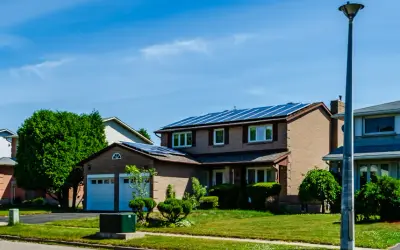
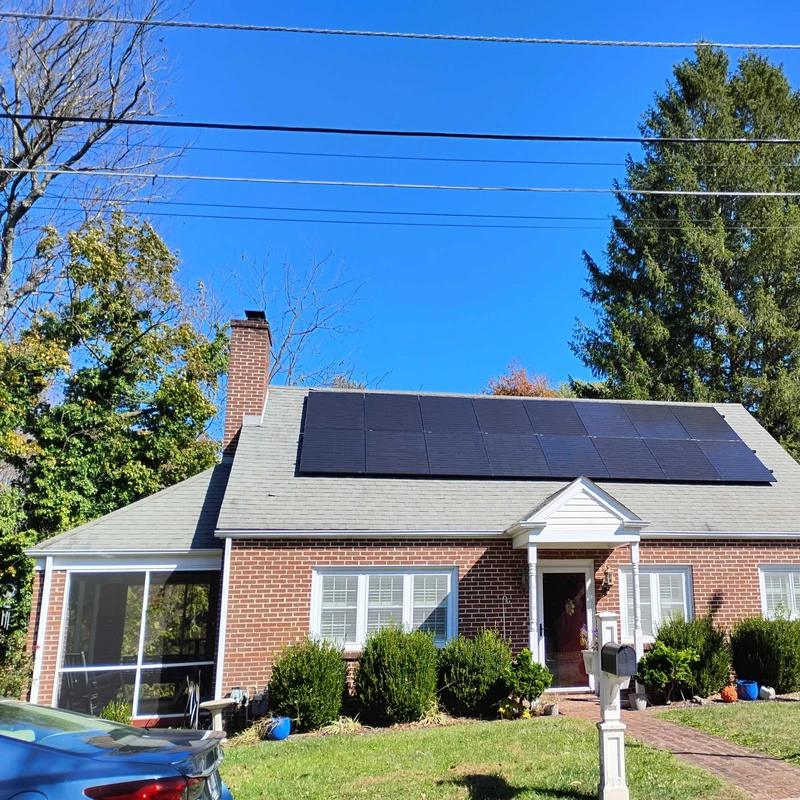 Rooftop solar in va, installed by Virtue Solar
Datacenter growth makes your solar even more valuable
Here’s the key insight: as Virginia’s grid gets more stressed, every benefit from rooftop solar becomes worth more. When demand spikes, electricity prices spike. When we’re running low on capacity, avoiding new power plants saves more money. When transmission lines are maxed out, local generation becomes more critical. When local equipment is strained, reducing peak demand prevents expensive upgrades.
Virginia’s grid is heading into unprecedented territory. Dominion expects power demand to grow 85% over the next 15 years, meaning they’ll need to nearly double their power supply.[7][4] Their 2024 plan calls for adding 33 gigawatts of new capacity over 20 years.[11][12] For context, Dominion’s entire current system only produces about 22 gigawatts.[7]
This buildout faces huge challenges. The plan calls for 53% solar, 25% natural gas, 10% wind, 6% battery storage, and 6% from small nuclear reactors that aren’t even commercially available yet.[13] Even this aggressive plan might not meet Virginia’s legal requirement to retire all fossil fuel plants by 2045.[13] Full compliance could require 8 or more new nuclear reactors.[13][14]
The price tags are eye-popping: Dominion’s offshore wind project costs over $10.7 billion.[15] A proposed natural gas plant in Chesterfield: $1.47 billion.[16] A three-state transmission partnership: $4.6 billion. And here’s what matters to you: all these costs get passed to ratepayers through rate increases.
This is why every kilowatt-hour from your roof matters more than ever. Rooftop solar needs no new transmission lines—it plugs into your existing electrical panel. It’s up and running in months, not the 5-10 years[1] utility-scale projects take. It makes power right where it’s used. It reduces demand during the hottest afternoons when the grid is most stressed. And it does all this without utilities needing to borrow billions of dollars.
The Dunsky study projected that transmission costs will more than double by 2050, from $66 to $150 per kilowatt-year.[9] Those projections were made before anyone fully understood how fast datacenter demand would grow. The 40 cents per kWh value might actually be an underestimate.
What Virginia’s clean energy law means for your bills
The Virginia Clean Economy Act (VCEA), signed in 2020, requires the state to get 100% of its electricity from renewable sources by 2045 (for Dominion customers) or 2050 (for Appalachian Power customers).[17] This is the most ambitious clean energy commitment in the South, with binding targets: 30% clean by 2030, 45% renewable by 2035, and two-thirds from solar and wind by 2035.
To hit these targets, Dominion must build 16,100 megawatts of solar and onshore wind, plus 5,200 megawatts of offshore wind, plus 2,700 megawatts of battery storage—all by 2035. All coal and gas plants must close by 2045.[18]
The good news: Clean energy has already grown from 1.33% of Virginia’s electricity in 2020 to 6.95% in 2024—a fivefold increase. The state has added 118,000 clean energy jobs. Virginia’s GDP is up 11% since the law passed. Dominion projects $118.5 billion in fuel cost savings over the life of these investments, plus up to $7 billion in health benefits from cleaner air.[19]
The catch: Building all this infrastructure costs money—and ratepayers foot the bill. State regulators estimate electricity costs will rise 53% by 2030 and 72% by 2035 compared to 2020 levels.
Studies focused on Northern Virginia estimate prices could increase 25% to 70% by the end of this decade. JLARC found that typical Dominion customers could see their generation and transmission costs rise $14 to $37 per month by 2040—and if datacenter demand keeps growing unchecked, that could add another $40 per month.
Dominion has already requested a base rate increase and a fuel charge increase, estimated to raise homeowner bills by about 15%.
Installing solar now protects you from these increases. Your panels offset electricity at whatever the current retail rate is—so as rates climb from 15 cents toward 20, 25, or 30 cents per kWh over the next decade, your savings grow automatically. Virginia electricity prices have already nearly doubled since 2003 (from 7.76 cents to about 15 cents today). The next decade’s increases will likely be much steeper.
Why utilities want to cut what they pay for solar
If rooftop solar is so valuable, why are Virginia’s utilities trying to slash net metering payments by 50-75%? The short answer: their business model profits from building big infrastructure, and rooftop solar threatens that.
How net metering works today: When your solar panels produce more than you need (say, on a sunny afternoon), the excess goes to the grid and you get a credit at the full retail rate—about 12-15 cents per kWh. These credits roll over month to month, so summer overproduction can offset winter shortfalls.
The VCEA requires utilities to revisit net metering rates once rooftop solar hits certain thresholds. Appalachian Power hit that trigger in 2024 and proposed cutting compensation by 71%.[20] Dominion hit their trigger in 2025 and filed a similar proposal [21] — both were rejected by the SCC.
The utilities’ argument: They claim solar customers don’t pay their fair share of grid maintenance, forcing non-solar customers to subsidize them. They say retail rates include costs for transmission and distribution that don’t apply to rooftop power.
What the evidence actually shows: A Maryland study found solar customers actually subsidize their non-solar neighbors, not the other way around. Virginia has nowhere near the solar oversupply issues that California faces—solar is just 6.5% of Virginia’s power mix. And rooftop solar produces power during peak demand periods (hot afternoons), which is exactly when utilities need it most.
The real issue: Utilities earn a guaranteed profit (typically 9-10%) on every power plant and transmission line they build. The more infrastructure they construct, the more they earn. Rooftop solar threatens this model because it reduces the need for new utility infrastructure. When you generate your own power, you become a mini power plant—and that cuts into their revenue.
The State Corporation Commission has pushed back on utility proposals before, noting that solar’s value to the grid and public equals or exceeds what homeowners currently receive. The SCC rejected APCo’s proposal and kept 1-to-1 net metering in place — and on April 30, 2026, did the same for Dominion. But utilities will keep trying.
How rooftop solar makes Virginia’s grid stronger
Beyond the economics, Virginia needs distributed solar to meet the challenges ahead: explosive demand growth, mandatory clean energy transition, strained transmission lines, and reliability concerns.
Rooftop solar is fast. Utility-scale projects take 5-10 years from planning to operation. Dominion’s offshore wind project started in 2015 and won’t be fully complete until late 2025. A residential solar system goes from consultation to producing power in 3-5 months. When electricity demand is doubling in a decade, speed matters.
Rooftop solar saves land. Virginia has about 40,000 farms. Rooftop and parking lot solar could generate huge amounts of power without clearing a single acre of farmland or forest. The National Renewable Energy Laboratory estimates Virginia could get about 20% of its electricity from rooftops alone.
Rooftop solar eases transmission bottlenecks. Northern Virginia uses way more electricity than it generates, requiring power to flow in over congested transmission lines. Every kilowatt generated locally reduces that strain. Dominion’s own studies identify Northern Virginia as capacity-constrained, which has caused regional capacity prices to jump 1,400% (from $29 to $444 per megawatt).
Rooftop solar creates local jobs. Distributed solar creates about 10 times more jobs per megawatt than utility-scale projects—installers, electricians, salespeople, and support staff who live and work in Virginia communities.
Rooftop solar plus batteries means resilience. As storms get more severe, homes with solar and battery backup can keep the lights on during outages. At scale, these systems can be networked into “virtual power plants” that help stabilize the whole grid. Dominion has already launched a pilot program to use home batteries to reduce peak demand.
The Piedmont Environmental Council makes this case clearly: rooftop solar deploys faster than any other power source, requires no new transmission, defers expensive infrastructure upgrades, and provides energy independence—especially when paired with batteries.[1]
The bottom line
The 40 cents per kilowatt-hour value that rooftop solar provides isn’t just a number on paper—it represents real savings on power plants that don’t need to be built, transmission lines that don’t need to be expanded, pollution that doesn’t get released, and health costs that don’t get incurred.
Virginia’s datacenter explosion makes these benefits more valuable every day. As the grid strains under demand growing faster than any time since World War II, as utilities plan multi-billion dollar projects that will drive rates up 50-70% over the next decade, and as Virginia races to meet its clean energy targets, rooftop solar offers a faster, cheaper, more effective solution than centralized power plants alone.
Homeowners who install solar now — with a solar company in Virginia that knows the local grid and utilities — have an opportunity to lock in decades of savings, no matter how dire energy demands are. And to top it off, they’ll be part of building a more resilient, cleaner future for all Virginians.
References
-
Piedmont Environmental Council: Report Finds Solar Far Exceeds Value Communicated by Dominion
-
VPM: Meta, Google, Amazon, Dominion Energy Data Centers Virginia Power Demand
-
VPM: Unprecedented Energy Demand from Data Centers Poses Big Challenges for Virginia
-
Cardinal News: Data Centers Driving Immense Increase in Virginia Energy Demand
-
Bay Journal: Energy Demands for Northern Virginia Data Centers Almost Too Big to Compute
-
Dunsky Energy + Climate Advisors: Value of Shared Solar Report
-
Virginia Mercury: Dominion Long-Range Projections Show Major Energy Growth
-
Bacon’s Rebellion: Dominion Says VCEA Compliance Means Many New Nukes
-
Virginia Mercury: Will Virginia Step Up for Its Rooftop Solar Industry?
Related Posts

Do Solar Home Batteries Make Sense in Virginia?
Do solar home batteries make sense in Virginia? Are batteries + solar worth it? Learn more and see what's new in energy storage for 2025.
Virtue Solar Now Offers TPO Solar Financing
Virtue Solar now offers TPO solar for Virginia homeowners — go solar with $0 upfront and a lower, predictable monthly payment.
Does Solar Add Value To Your Home?
Do solar panels add value to your home in Virginia? We look at what studies and realtors say, and explain what it means for homeowners in VA.