
Dominion's Virtual Power Plant Is Coming to Virginia

On this page
Dominion Energy is building a virtual power plant in Virginia. For homeowners who have — or are thinking about — a battery, it adds a new way to get paid for going solar. Here’s what it is, where it stands, and what we still don’t know.
What a virtual power plant actually is
A virtual power plant, or VPP, isn’t a building. It’s software that links thousands of home batteries (and sometimes EV chargers, smart thermostats, and water heaters) into one network the utility can call on during the few hours a year when the grid is stretched thin — usually a hot summer evening when everyone’s air conditioning is running at once.
Instead of firing up an expensive backup power plant, the utility asks all those batteries to send a little stored energy back at the same time. Added together, they behave like one large, on-demand power plant — hence the name.
For you, the owner, the deal is simple: you let your battery pitch in during those rare peak events, and you get paid for it.
Why Virginia is getting one
Virginia’s 2025 Community Energy Act requires Dominion to pilot a virtual power plant, including a dedicated slice of incentives for home battery storage. Dominion filed that pilot with the State Corporation Commission in December 2025.
The timeline from here, based on Dominion’s own filings:
- December 2025 — pilot filed with the SCC.
- Around late 2026 — Dominion expects to start enrolling customers (subject to SCC approval).
- November 2026 — a separate tariff filing is due, which is where the actual dollar amounts for Virginia are expected to be set.
In other words: the program is real and legally required, but the part you care about most — how much it pays — isn’t public yet.
How it works for a battery owner
The mechanics are consistent across the VPPs already running in other states:
- You enroll — usually through your installer — and your battery is set to a “grid services” mode so the utility’s software can communicate with it.
- The utility signals your battery during a peak event, typically a 2–3 hour window on a hot afternoon or evening.
- Your battery sends stored power to the grid, but only down to a reserve level you set (commonly 20%). It never drains below that.
- You get paid based on how much you contributed across the season.
Two things matter here. First, you stay in control — good programs let you opt out of any individual event. Second, backup always wins: if the grid actually goes down during an event, your battery stops sharing and powers your home instead. Your reserve is for you.
What it might pay (a look at other states)
Because Virginia’s amounts aren’t set, the best guide is what comparable programs pay elsewhere. These are other states with different grids and rules — treat them as a range, not a Virginia promise:
- Massachusetts (ConnectedSolutions) pays around $275 per kW each summer. A single battery contributing about 5 kW earns on the order of $1,000–$1,375 a season.
- Vermont (Green Mountain Power) offers up to $10,500 in upfront incentives toward a battery, or a low monthly rate on a utility-managed one.
- California (Tesla) pays about $2 per kWh shared, which has worked out to roughly $300–$575 per Powerwall per year.
- California (Sunrun) pays up to about $150 per battery per season.
The common thread: VPP payments usually take the form of an upfront incentive, an annual performance payment, a per-event payment, or some combination — often stacked on top of your normal bill savings.
What we don’t know
A few things to keep in mind before counting on any number:
- Virginia’s payment amounts aren’t published yet — expect them in fall 2026.
- There’s some extra battery cycling (a few dozen event-hours a summer in comparable programs), which is well within modern battery warranties but worth knowing.
- Payments may be taxable income, so it’s worth a word with your tax professional.
- Program details like the number of events, event length, and named partners haven’t been finalized for Virginia.
- Which batteries will qualify — programs like this often require specific approved brands or models, so not every battery on the market may be eligible, and Dominion hasn’t published its list.
Thinking it through
There’s no need to rush a decision based on a program whose details aren’t final yet. The better question is whether backup power makes sense for your home on its own merits — keeping the lights on during outages and giving you more control as Virginia’s electric rates keep climbing. If a virtual power plant pays you on top of that down the road, all the better.
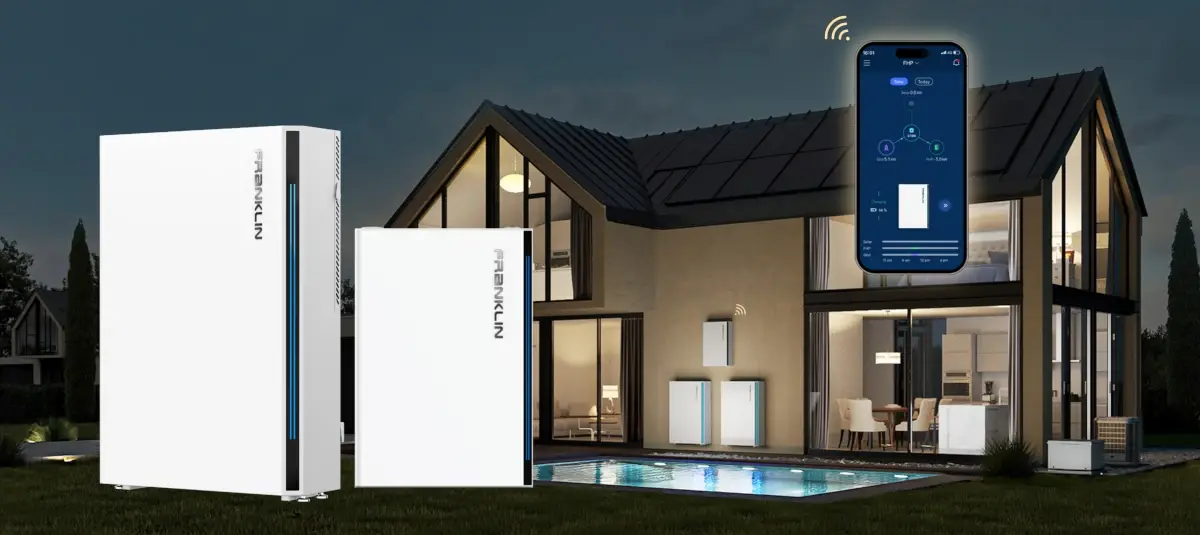
So it’s worth thinking about whether backup is something you want. If it is, you can get a quote and budget for it, or have it installed now by a Virginia solar company for the peace of mind it brings regardless of any program. Batteries like the FranklinWH aPower 2 are a popular choice for whole-home backup in Virginia (here’s our hands-on review), though it’s too early to say which batteries Dominion’s program will ultimately accept.
Want to talk it over? See all your options in our Virginia solar incentives guide, or get a free quote.
Related Posts
What the “Big Beautiful Bill” Means for Solar in Virginia
Learn all the impacts of the OBBB on solar, and how they affect Virginians, from residential solar to commercial solar tax credits.

New Solar Tariffs in 2024 May Shake Up the Solar Industry
The solar industry is facing significant changes in 2024 due to new tariffs on Chinese solar panels and ongoing solar trade investigations.

What are Solar Renewable Energy Credits (SRECs)?
Learn what Solar Renewable Energy Credits (SRECs) are, how to earn them, and how to make more money from your solar system.