
What is critter-guard, and should I have it installed?

What is critter-guard, and should I have it installed?
Congratulations on going solar, or at least thinking about it! We’ve been installing solar in Virginia for over 10 years, and critter-guard comes up often enough that it deserves its own post.
Most solar sales conversations focus on energy production, costs, and warranties. Sometimes you’ll be offered an add-on like critter-guard or snow guards. How do you know if you need it? And if you already have panels, what do you do if critters have already moved in?
Here’s what you need to know to make an informed decision.
What is critter-guard?
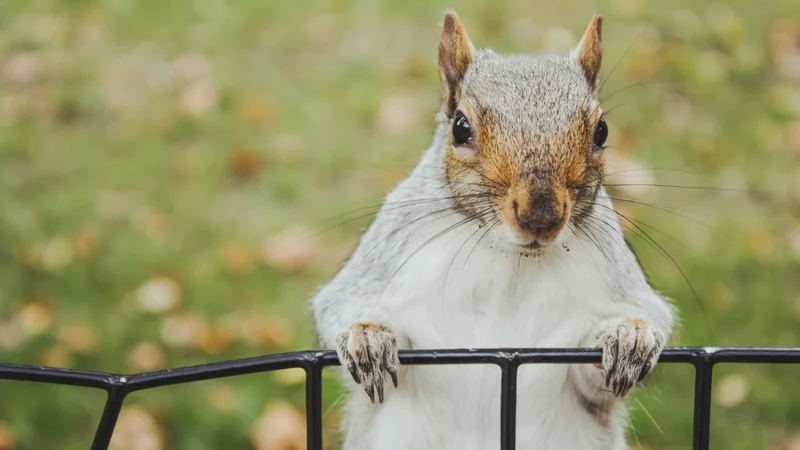
Critter-guard is a barrier, usually metal mesh, installed around the perimeter of your solar array. It closes the gap between the bottom of the panels and the roof so animals can’t get underneath. In Virginia, the usual culprits are squirrels and pigeons.
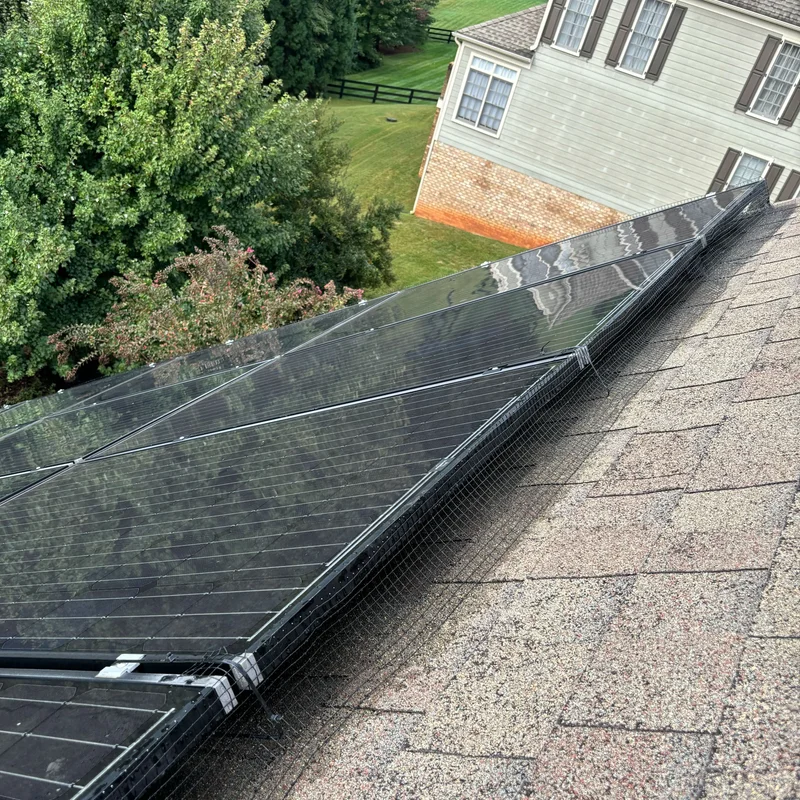
The mesh typically clips to the edges of the panels rather than being fastened into the roof. Once it’s up, it’s usually hard to notice from the ground.
Why critters under panels are a problem
It sounds harmless, but squirrels nesting under solar arrays cause real trouble:
- Chewed wiring. Squirrels chew on the wires running under the panels. This can knock panels offline and lead to expensive repairs.
- Nesting debris. Leaves, sticks, and other material pile up under the array and hold moisture against the roof.
- Bird droppings. Pigeons nesting underneath leave droppings on the roof and panels, which can mean more frequent cleaning.
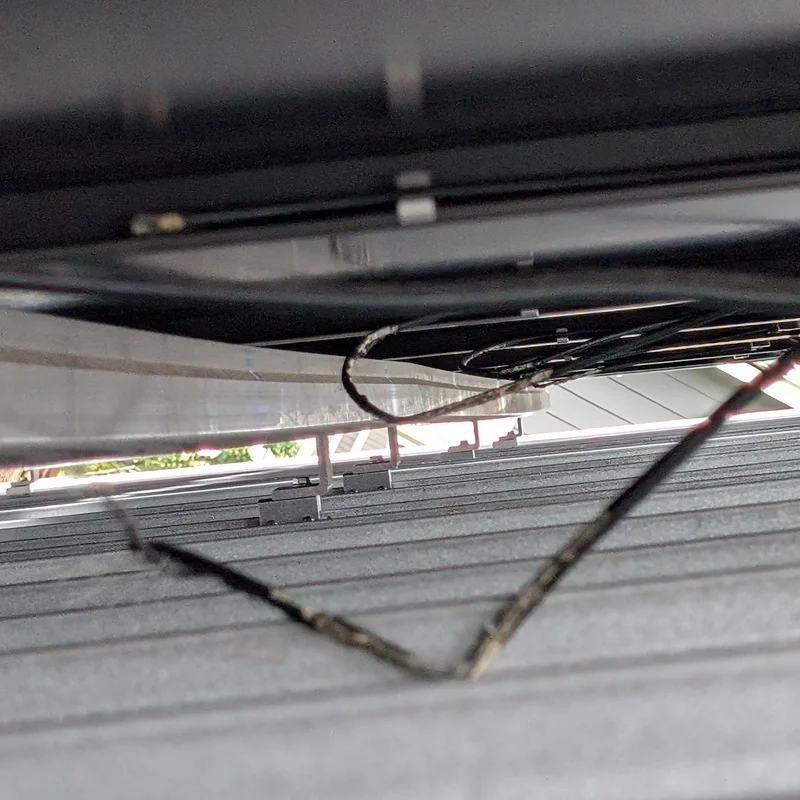
Worst of all, animal damage is almost never covered by any warranty. That’s a big reason it pays to have a local installer who also offers solar servicing and repairs, not just new installs.
Signs your home could use critter-guard
Not every home has critters running across the roof, and not every system is at risk. Central Virginia has a lot of mature trees, though, so plenty of homes do. Some signs you may want it:
- Low-hanging branches near part of your roof that give squirrels access
- You’ve seen squirrels on your roof before
- Heavy bird droppings, usually near the ridge
- Overhead power lines that attach near a roof line (we call these squirrel highways)
When you can probably skip it
This is a judgment call. If there’s no easy way for critters to get onto your roof, such as no nearby trees and no overhead lines, it’s probably not necessary.
Is it better to add it during installation?
If your home shows any of the signs above, adding critter-guard during the original install is usually the simplest path. The crew is already on the roof and the area under the panels is clean. It’s easier to keep animals out from day one than to evict them later.
Ask about it when you’re comparing options. It’s one of the line items worth checking when you compare solar quotes.
I already have solar. Is it too late?
Not at all. If your system went up without critter-guard, it can be retrofitted onto an existing install. This is common on older systems, especially after trees grow closer to the roof or you start seeing squirrels where you didn’t before.
If any of the signs above sound familiar, it’s worth adding critter-guard before a problem starts rather than after.
What if critters have already caused damage?
Watch for:
- A drop in production on your monitoring app
- Nesting material (leaves, sticks, debris) poking out from under the panels
- Lots of squirrel or bird activity around the array
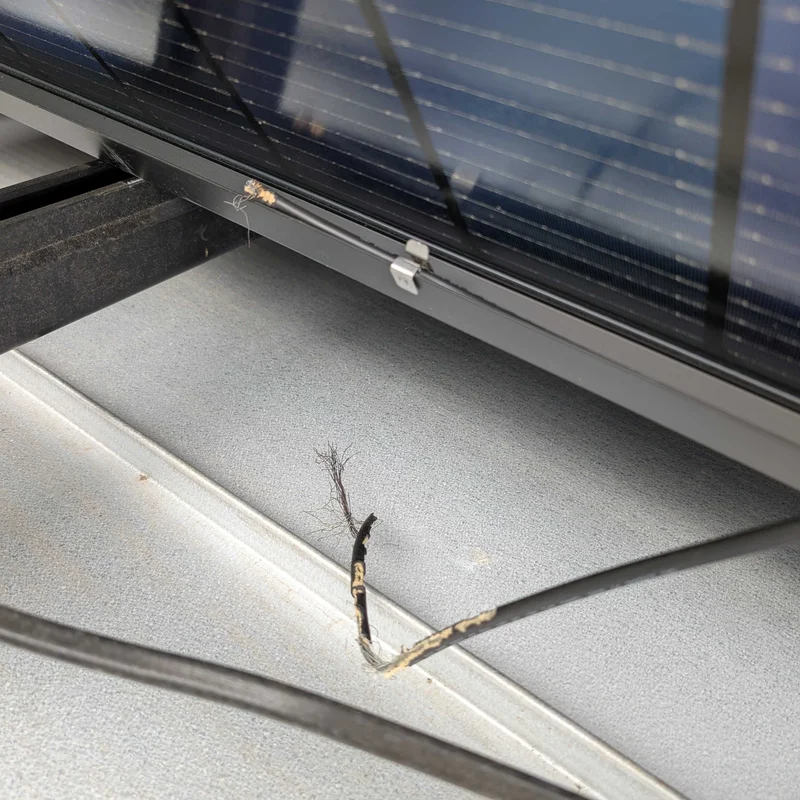
If you’re seeing any of that, don’t wait. Chewed wiring only gets worse, and it can take a whole string of panels offline.
Also, don’t just install mesh over an active nest. Any animals and nesting material need to come out first, or you’ll trap critters under your array and make the problem worse.
We can inspect and repair critter damage. That means clearing out nests, replacing damaged wiring, and then installing critter-guard so they don’t come right back. For a broader look at what upkeep on a solar system usually involves, see our post on solar maintenance costs.
What about snow guards?
Snow guards are a separate add-on. Instead of keeping animals out, they help keep snow from sliding off the panels all at once. That matters most over doorways, walkways, decks, or gutters. Whether you need them depends on your roof’s pitch and what’s below it. Your installer should be able to tell you during the site visit. For more on how panels handle the cold months, see Do Solar Panels Work in Virginia Winters?
Does critter-guard guarantee a problem-free system?
No. Critter-guard isn’t a 100% guarantee against pests, but it’s a strong deterrent. It’s one of several small things that help reduce service calls and keep a system reliable over the long haul.
Next steps
If you’re still planning your system, ask about critter-guard during your free solar assessment. If you already have panels and want someone to take a look, reach out to our service team.
Related Posts
Can an HOA prevent you from going solar in VA?
Virginia law protects homeowners that want to install solar panels and stops HOAs from adding unreasonable restrictions on solar.
Watts, Kilowatts, and Kilowatt-Hours—What Do They Mean in Solar?
Discover how understanding kW and kWh can affect solar system size, production, and battery options in solar quotes.
Are Solar Panels the Best Home Investment in 2025?
Tariffs, uncertainty, and solar panels, oh my! If you're looking ground in 2025, read on to see how solar panels retain their value over time